
公告
AWE2026五大观察,比AI 和机器人更吸睛的是“它”
AWE2026五大观察,比AI 和机器人更吸睛的是“它”
2026-05-20 17:54 https://www.huxiu.com/article/4842206.html

2026-03-15 14:48
AWE2026五大观察,比AI 和机器人更吸睛的是“它”
 极客公园
 认证作者 Lv.4
 作·嗅之星奖 8次· 关注
本文来自微信公众号:极客公园 ,作者:徐珊,编辑:郑玄,原文标题:《AWE 2026 五大观察,比 AI 和机器人更吸睛的是「它」》如果说CES是科技圈的春晚,那AWE就是科技圈的新春大集——CES上惊艳亮相的概念和技术,得在这里证明自己真正能被消费者接受,掏出真金白银带回家。今年这场「大集」,最受关注的主角有点出人意料:不是春晚上连连加戏的机器人,也不是投资圈最火的AI硬件,而是飞行器。小鹏汇天把分体式飞行汽车开进了展馆,要进军所有领域的追觅也推出了旋转翼飞机,头顶上的「汽车」成了今年AWE最吸睛的存在。此外,3D打印机、消费外骨骼也从去年的新物种,变成了竞争激烈的小红海;还有代表出海的东方枢纽馆,大模型厂商和AI眼镜悄悄聚集到这里,急着为自己的产品在海外寻找一条出路。经过两天三万步的沉浸式暴走,我梳理了今年AWE上最值得关注的五个变化,这些变化背后有一条清晰的脉络:当AI从对话框的大模型走进现实,走进家具电器、交通工具,走进各种智能穿戴设备……中国科技产业正在用最实际的方式回答一个最现实的问题:消费者究竟会为什么样的产品买单?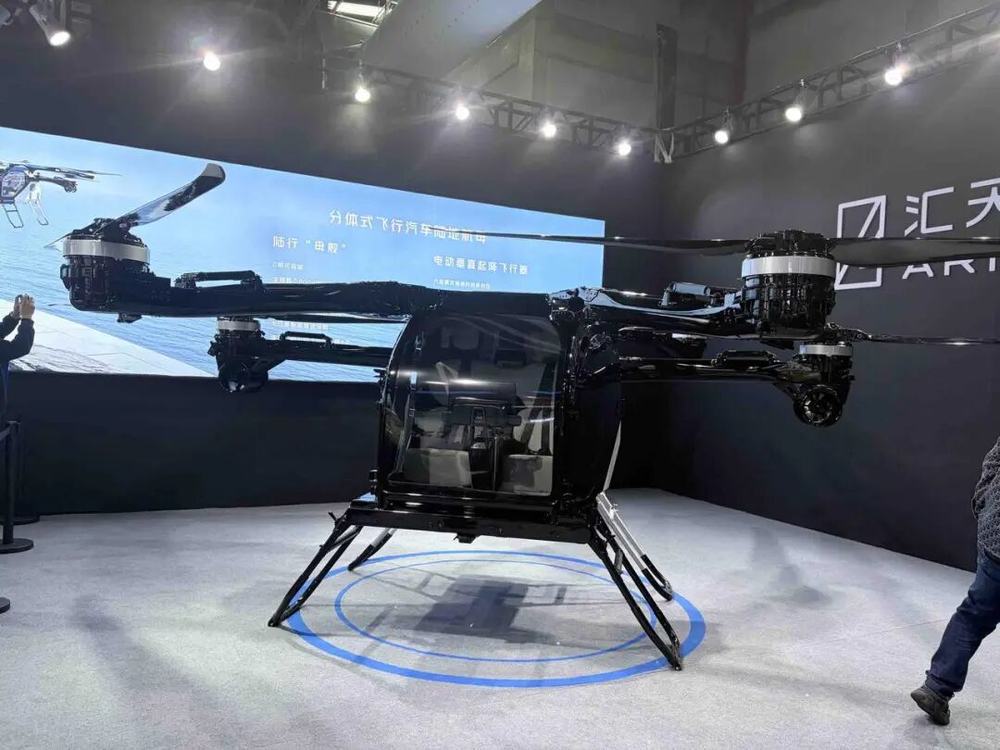

01
观察一:会飞的机器人成吸睛新物种
「这里为什么会有直升机?这不是家居展吗?」刚走进W1馆内,我耳边就传来一阵感叹声。「这年头,直升机都能算入家居产品了。」今年AWE各大展馆内,最炫酷的不再是各个造型炫酷的汽车,而是各类「会飞的机器人」。比较常见的有各种不同类型的无人机。影翎展区前,不少参观者排着长队戴上VR头显,以**视角感受Antigravity A1的飞行体验。 「2025年,无人机整机的出货量可能超过1000万台。」在现场,一位从事无人机产品销售的人员透露到,这几年无人机的出货量增长速度超过预期。他告诉我们,2025年全国民用无人机产量已突破760万架,国内出口的无人机数量达到495万架。 除了无人机,eVOTL(电动垂直起降飞行器)也首次以高频、集中的姿态出现在会场核心视野。星际穿越、小鹏汇天、御风未来、时的科技等不少eVOTL企业都来了新一代飞行器产品模型机。 「小鹏汇天是亚洲规模**的飞行汽车公司。」不少人和我一样,刚走入小鹏汇天展台,就被「飞行汽车」的概念吸引住。 经过解释,我们了解到,飞行汽车并不是指「给汽车加上螺旋桨,让汽车飞起来」,而是打造了一个像汽车类似,能多人运输的飞行器。小鹏汇天推出了分体式飞行汽车陆地航母,主要分为两个部分。一个是小鹏打造的陆地体,外观上看起来像一辆加长面包车。该陆地汽车采用三轴六轮设计,支持全驱转向,搭载800V增程平台,续航了可超1000km。而它也是移动停机坪和移动充电站,可以给飞行器充电。 而另一部分则是电动垂直飞行器,用户需要民航飞行器驾驶证才可以使用。飞行器采用六旋翼纯电构型,**航速360km/h、支持手动和自动两种模式。飞行体折叠后可以自动停在陆行体后备舱里。「当前亚洲市场我们并没有可直接对标的竞争对手。」展区人员告诉我。据了解,小鹏汇天已经有5台陆地航母完成了试飞,计划在2027年开始试运营。
小鹏汇天展会现场|图片来源:极客公园
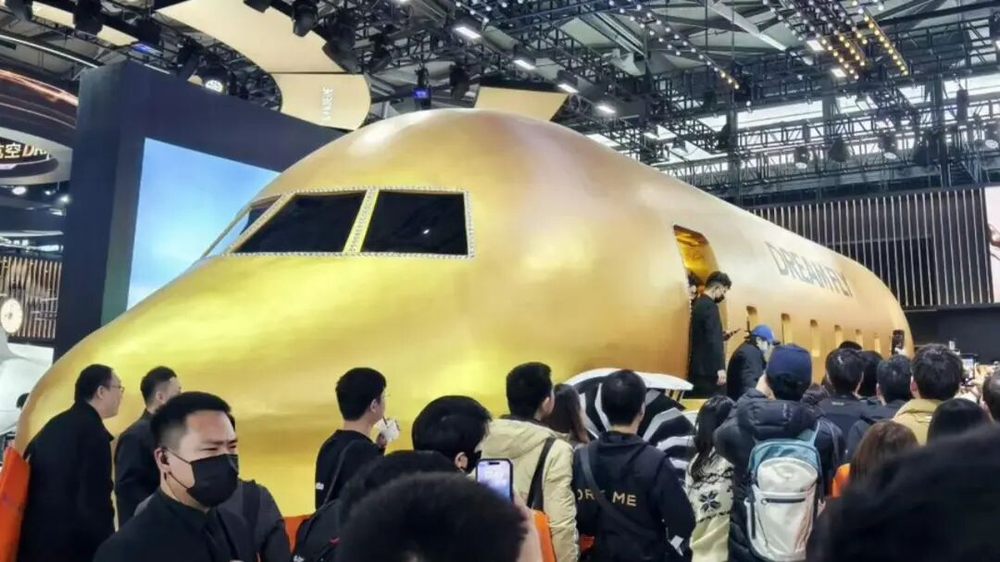
但要说最出人意料的玩家还是追觅。这家以扫地机器人起家的公司,延续了春晚的豪放风格,今年直接包下了一整个展馆。从飞往未来的航班,到直升机,再到卫星计划,追觅在空中经济的投入被大家津津乐道。
追觅展会现场|图片来源:极客公园
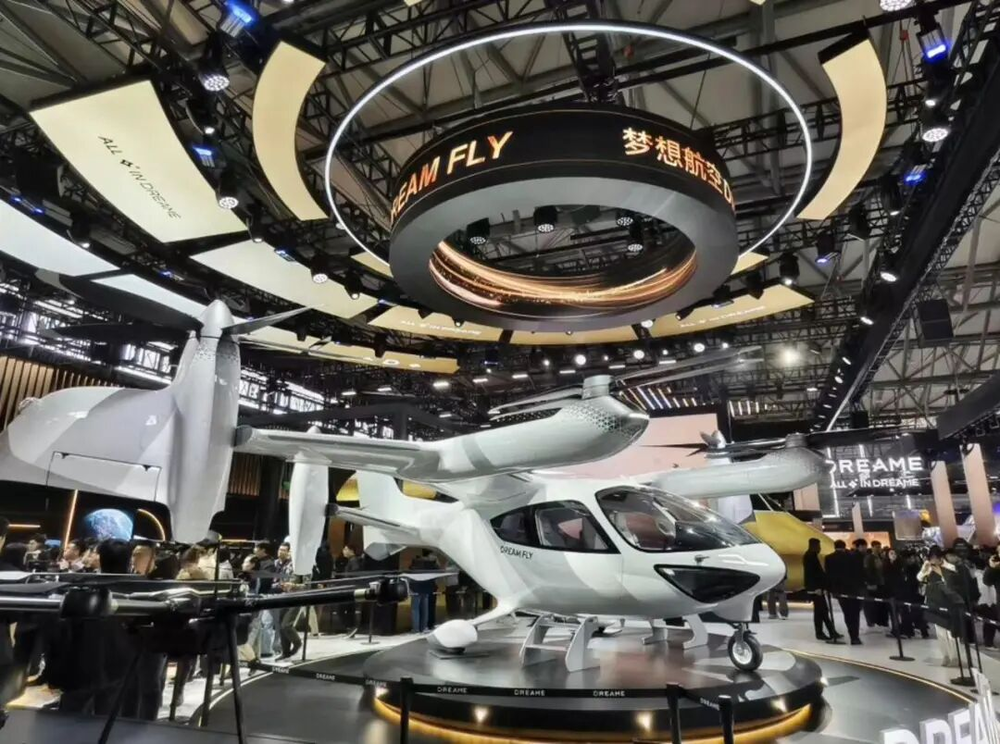
今年追觅旗下的追梦空天公司亮相了追觅倾转旋翼飞机、载人飞行器eVTOL DREAM FLY。据现场介绍,这款载人飞行器巡航时的噪音能够降至45分贝,在动力系统上采用冗余设计,在部分动力失效的情况下也能通过滑翔和轮式起落架安全降落。
追觅展会现场|图片来源:极客公园
谈了多年的低空经济,在今年似乎迎来了一个小高潮。「空中出租车」、「空中公交车」等概念成为当下低空经济领域中最常被提起的业务方向。无论是像追觅、Mova这类做智能家居的公司,还是小鹏等做新能源汽车的企业,都开始加入低空赛道。
「尽管现在很多资金很充足的公司能够很快的推出相关模型机,但是飞行器行业还是有很多坑是很难避开的。做出产品,和产品能成为业务中间还是有很大空间。」场馆内一位从事航天器开发的研究人员告诉极客公园。他觉得今年低空赛道的火热,一部分来自于国家近两年在低空经济给予了较大的扶持,甚至纳入十五五规划中,被不少企业视为下一个风口。此外,这两年无人机的出货增长、无人机外卖业务的拓宽都让企业看到了新的机会。
不过,对多数起步比较早瞄准低空经济的创企来说,大部分都是在巡检、安防领域有比较成熟的商业场景,能够获得一部分营利,从而「补贴」B2C类型的飞行器研发,最终这类eVTOL,他们更希望卖给航天公司,服务于普通用户,打造空中的交通运输体系。「以后,从上海到苏州的时间可能在15分钟左右。」他提到。02
观察二:比起会唱跳更重要的事,是如何让机器人走入家中?
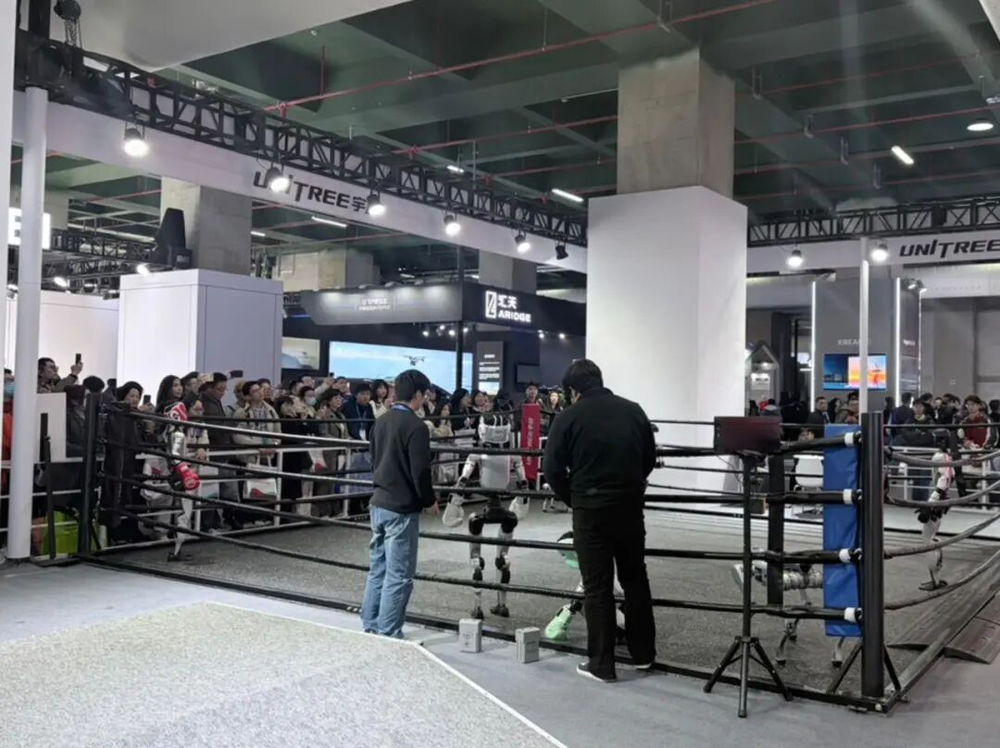
时间来到2026年,如果一款人型机器人还只会简单的「走两步」,早已经不能满足大众了。经过春晚的洗礼后,不少参观者路过机器人展台前都会流出一两句议论声,「嚯,这表演的比春晚上的还要好/差。」宇树科技今年在两个场馆内分别设计了拳击展示台,通过拳击表演来展示出自家机器人的灵活程度。其他有关人型机器人的演示基本都是常规的三件套,跳舞、走路、翻跟头,并没有太多的变化。
宇树科技展会现场|图片来源:极客公园
稍稍有些显得与众不同的是,今年能够明显感受到京东、以及不少机器人企业都希望能够将机器人通过租赁平台送入用户的家中。智元机器人还展示其擎天租业务,甚至打出了「1元闪租」的口号,主要通过共享租赁、平台调度,把机器人表演转化为可按需租赁的服务。目前主要应用商业演出、餐饮、零售、展会等场景。
京东也联合众擎、云深处等机器人品牌集中展示人形、四足和陪伴类的机器人。目前租借一个宇树机器狗的价格大约是78元一天,U1人型机器人的价格大约在每天1800元左右。据场馆内人员介绍,春节期间,机器人租赁市场或人,不少订单从春节排到3月中旬。
不过,我们也在展区随机采访了几位对此感兴趣的参观者,多数人只是对其好奇。当问及会不会真正考虑租机器人的时候,多数年轻人表现出跃跃欲试,想要体验一下,但也不会长期租赁。但大多数的中年人,则表示不会。「不知道拿回来究竟干什么,热闹看看就可以了。」很显然,目前阻止机器人走入千家万户的一个核心原因仍然是用途不明显。
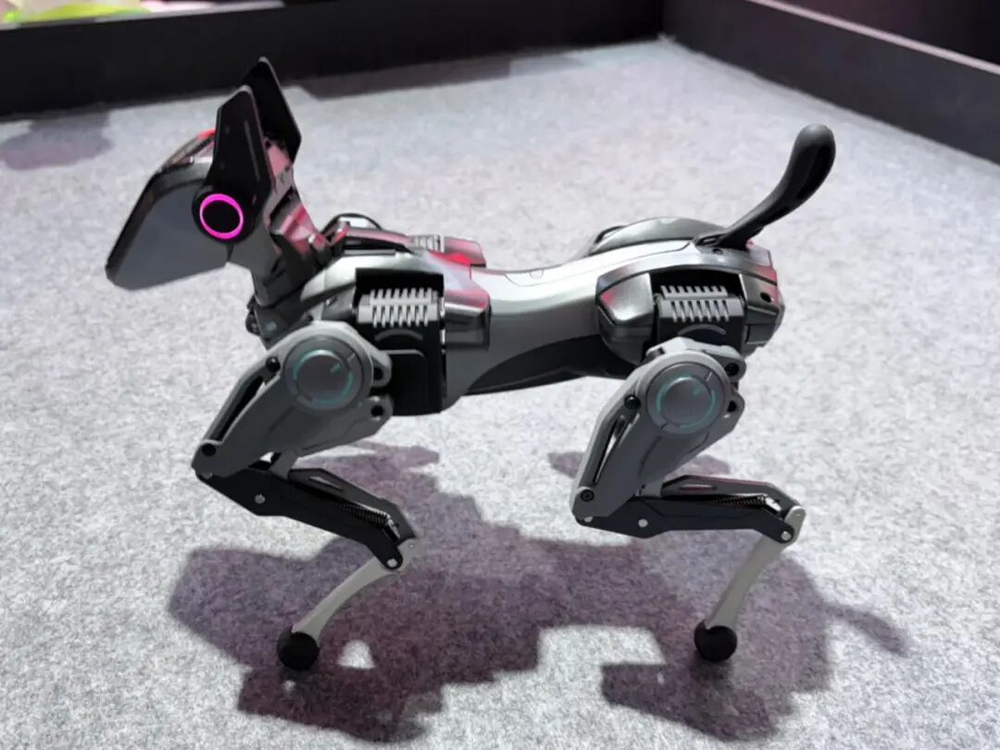
相比之下,人们对桌面机器人的关注开始增加。啸天推出公斤级可训练机器狗,将编程程序开放给用户,让用户直接设定机器狗的运动控制。
啸天桌面机器狗|图片来源:极客公园
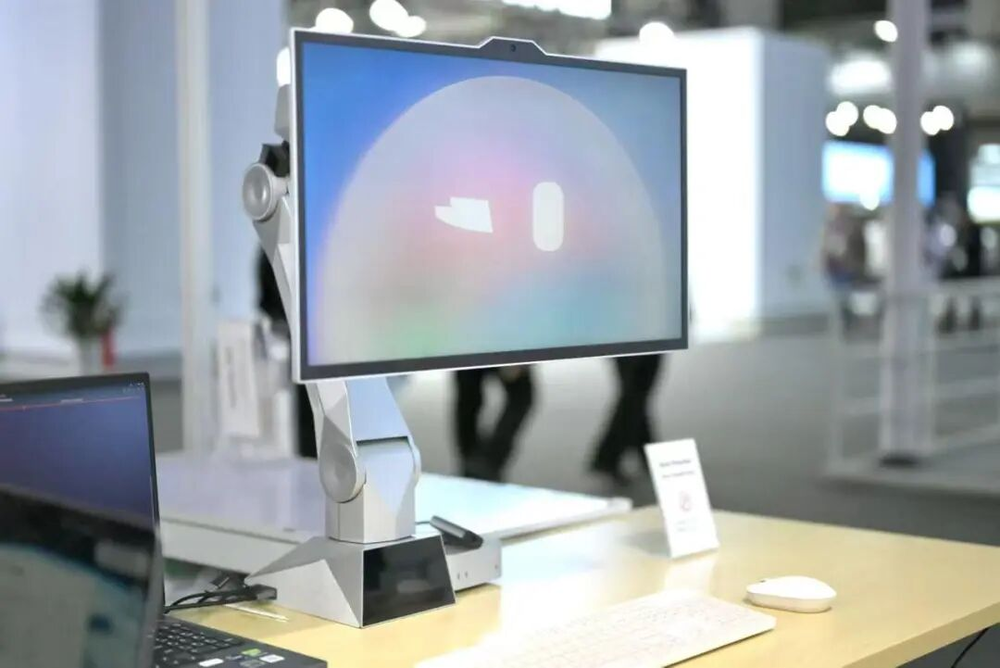
细胞壁智能推出了一款六轴桌面机器人,可以根据人的位置变换主动变化。通过三个摄像头,它支持手势控制、语音控制,还能够根据手势运动,屏幕主动根据人的手势去动。
细胞壁智能|图片来源:细胞壁智能
从桌面机器人方向,相较于去年大热的各类AI陪伴玩具,今年纯AI陪伴的桌面机器人产品明显变少,热度似乎大幅降温。我们还发现,不少企业开始把桌面办公场景内的常用硬件改造成机器人,结合AI做成机械控制,结合AI化,并更强调主动智能。在交互方向上,相较于去年强调的多模态交互能力,今年则更强调主动交互、主动感知和适配调节。
我们简单在现场了解到,目前从事小型桌面机器人的研发周期开始缩短,过去需要1-2年的时间做产品研发,但现在3-6个月左右产品模型机就可以快速搭建完成。相较于情感陪伴的产品来说,更多的初创团队比起情绪,更看重桌面机器人在实际办公场景下的真实产品用途,这也是保证其产品能顺利在早期获得盈利的方式之一。「要找到最懂这类产品的价值的人为其买单,而不是去试探一个不确定的市场。」一位桌面机器人初创团队成员说道。
相比前两年机器人赛道的风口火热,今年感觉无论是用户,还是研发人员对机器人的功能期待和价值判断都更加回归理性,对机器人功能设计也更加务实。03
观察三:3D打印机、消费外骨骼,从新物种变成了小红海
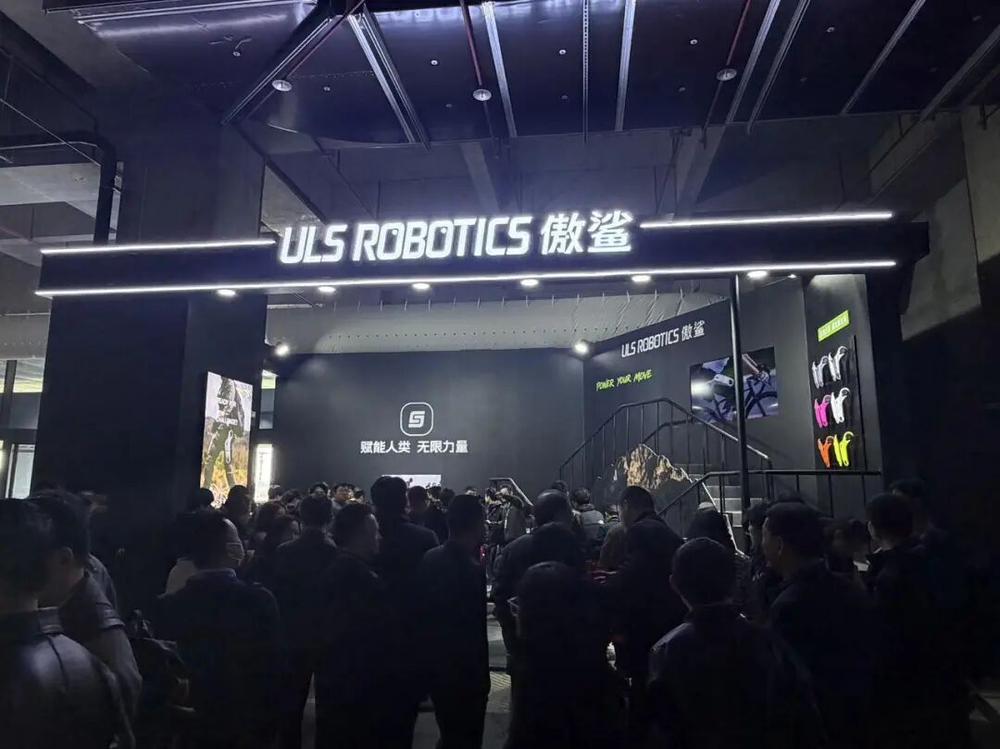
不仅一些热门的科技赛道正在疯狂卷参数、卷性能,曾经被称为新物种的3D打印机、消费外骨骼机器人今年也迎来了新的竞争者。在3D打印机方向上,今年安克、Mova等不少更偏向3C企业都展示其3D打印机新品。安克创新旗下品牌eufyMake展示了其首款消费级立体纹理UV打印机eufyMake E1。据了解,该设备支持在300余种材质表面进行全彩图案与立体纹理打印。在软件方向上,eufyMake也打造了一系列的便携式设计平台,帮助用户创造自己的设计。 一位现场工作人员告诉我们,AI生成设计降低了整个产品设计的门槛,多数用户在AI的帮助下都能够设计出自己想要的模型,让3D打印设备走入大众市场有了空间。因此,曾经有比较深3C硬件制造经验的企业想要去快速推出一个产品其实并不难,但现在的3D打印产品,不仅仅考验的是硬件产品能力,还考验工作平台等类似软件层的搭建能力以及社区能力。此外,一些大厂的加入,能够推动产品认知普及,更多的资金涌入了耗材方向,也对当前耗材的成本下降也带来了好处。据他分析,今年3D打印机的耗材价格有可能会降低1/4左右。 被赛道头部明星企业带火热的不仅是3D打印机,还有消费级外骨骼机器人。今年,傲鲨智能、迈步机器人、胜步创新等一众消费级外骨骼机器人企业如雨后春笋般的涌现出来。Zero品牌孵化的胜步创新带来的消费级下肢外骨骼机器人,整机重量在2KG,能够在三分钟内快速床带,续航时间最高可支持10小时左右。据介绍,这款新品通过设计运动效率提升20%,拥有AI步态自适应,能在0.2秒支持13种复杂运动模式。 在展会现场,几乎所有的消费级外骨骼机器人展区都有较长队伍,用户正在排队体验,甚至有些品牌方不得不提前限流。
傲鲨展会现场|图片来源:极客公园
消费级外骨骼机器人的产品定位相较于去年也更加细分,有适合老人适用的、适合户外场景的,或者是适配家庭场景。我们也简单交流了几位初次体验的用户,多数人觉得确实在体感上会觉得上下楼轻松了一些,但是「戴在外面太明显了」也成为其不愿长期使用的原因之一。与之相对的是,不少中老年人反而比年轻人更感兴趣一些,购买意愿也更强,但他们更担心的是使用便捷性,目前操作对其来说仍有门槛。
无论是3D打印机,还是消费级外骨骼机器人,从产品设计、技术路线以及功能上,与去年展示出的产品差距并不大,更多是一些参数的提升,整体体感上体验升级并不明显。但从玩家涌入的热情度上,曾经的新物种,今年也成为一片小红海,吸引越来越多的企业加入其中。04
观察四:着急出海的厂商,除了模型厂商还有AI眼镜
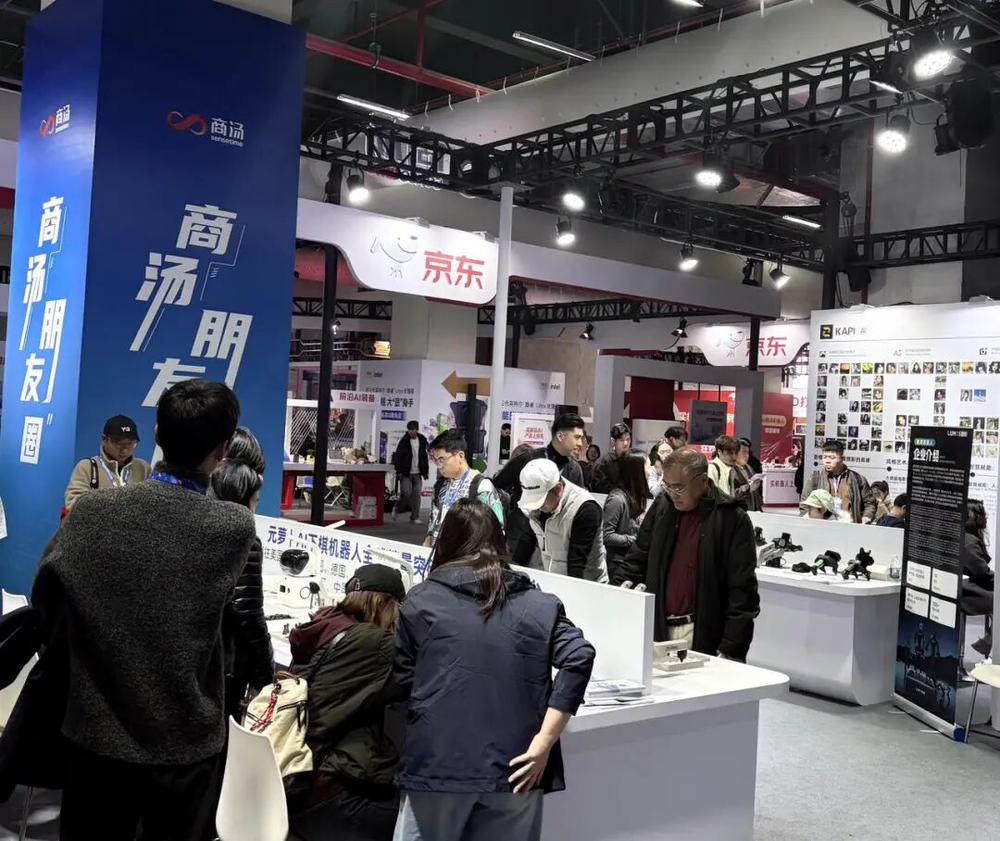
驱车50公里,我们在AWE上海东方枢纽馆里看到了企业们对出海的热情。海外用户没有中国签证也可以通过其免海关政策来到该展馆参观相关的产品。相对来说,参加此分馆的厂商们都多数是想通过走向海外市场,进一步拓宽业务。来到展区,我们发现除了机器人行业以外,对出海更具热情的企业分为两大类:模型厂商以及AI眼镜厂商。 模型厂商MiniMax、商汤科技、华为、百度、千问等在该会场展示不再单纯是其模型能力的好坏,更多的是其面向商业场景的解决方案。在接触了几家工作人员后,我们发现他们今年更看重中东、东南亚以及亚洲市场,并且不少企业今年将模型出海视为今年业务增长的关键。 「国内模型是当下比较具有性价比的产品之一,而且国内模型产品的体验更好,因此在一些文化相似的市场更容易做推广。尤其是中东这两年打造智慧城市,政企大单比较多。」正在从事模型销售的人士透露到,但是与To B大企业相比,初创企业在同一个市场想要做到数据合规、监管合规,并且搭建比较完善的分销体系,都是需要时间的。目前模型出海都处于在刚刚开始的阶段,并没有太明显的梯队差距。
商汤展会现场|图片来源:极客公园
除此模型之外,智能眼镜厂商们也成为该场馆内聚集比较明显的产品赛道之一。一些常见的AI眼镜玩家们,像是影目、光粒、XREAL、雷鸟创新均在该场馆内展示其最新的产品。XREAL则带来了XREAL One Pro、XREAL 1S等多款显示产品。雷鸟创新在AWE会展上展示了雷鸟X3 Pro AI眼镜,它还发布了智能眼镜本地生活应用「雷鸟智慧生活」。从具体的体验来看,目前外观上几家AI眼镜差距并不大,但从应用层来看其侧重各有不同,实际体验上也并没有拉开太大的差距。
雷鸟创新展会现场|图片来源:雷鸟创新
除了垂类的AI眼镜厂商,像是华为、小米、百度、夸克等互联网企业也纷纷在其展台展示了现有的AI眼镜新品,这类AI眼镜则更注重AI交互能力,但从整体的功能上来看也几乎大同小异,没有特别明显的差距。
据现场了解,基本上大多数垂类的AI眼镜厂商基本都已经出海好多年,但互联网企业打造的AI眼镜很少有出海计划。对于大部分的AI眼镜厂商来说,出海往往是必选项。目前国内的AI眼镜的价格毛利润都比较低,海外的毛利润能够比国内高出30%-50%。海外市场用户对AI眼镜的付费意愿更高,因此这些年各个AI眼镜厂商在海外市场的争夺也相对激烈。05
观察五:B站、小红书、京东、抖音,四大平台3C大战火热
大约前两年前起,AWE就开始引进了各大3C电商平,各大科技品类的电商平台也开始展现其科技基因。B站邀请了罗永浩、何同学、影视飓风等游戏、数码UP主组团探展,打造五大趣味测评区域,直播AWE新品开箱。用户可以亲自上手体验各类前沿家电产品,在现场做大屏游戏实测。 抖音则举办了抖音商城科技晚展区,展示了nubia M153豆包手机助手技术预览版、石头G-Rover「会爬楼的扫地机」等科技产品。抖音还邀请了一众明星来逛展体验产品。
抖音展会现场|图片来源:抖音
小红书举办了3C新品种草大赛,邀请博主现场打卡。京东则举办了很多首发活动,并且现场给黄金,且给出国补的政策。从不同平台布置的展区设计可以看出,B站更注重科技产品的内容测评,小红书则关注生活化场景体验。电商平台上,抖音则更注重短平快的直播流,京东则更懂电商平台的玩法和套路。而从用户定位上,B站和小红书明显更偏向年轻用户,而京东和抖音面向的用户群体则更加广泛。
消息人士透露,近两年消费收紧,线上零售的增速也逐渐放缓。科技产品算是当下比较好的客单产品类别,因此所有电商平台都比较重视。06 结语
整体看来,此次AWE上并没有出现太多「重量级」产品,更多的是AI对生活场景内的产品产生一些潜移默化的变化。比如说,一些由手动或者语音控制的AI功能变成了由AI模型接入、开始通过自然语言交互,有了一定交互能力。我们还发现比起手持AI技术,但不知道怎么用的企业来说,有不少传统家居厂商已经早早想好怎么让AI融入产品。比如说,厨房家电品牌老板,它展示了一款AI厨房眼镜,通过单绿显示眼镜手把手教用户怎么做菜。同时,它还将各类食谱融入其模型,教用户如何设置适合自己的菜单。 尽管各行各业对AI的高度关注,但在交流中我们了解到,不少企业对于AI Agent的能力仍保持高关注、低投入的态势,认为现在去做记忆体和执行都还不到时候,也暴露出从AI概念验证到规模落地之间的问题尚未完全解决。但正是这种审慎与克制,让今年的AWE少了些浮躁,多了份务实。毕竟,能让消费者愿意为之买单的科技,才是好科技。频道: 车与出行
极客公园
追踪你最不可错过的科技圈。认证作者 已在虎嗅发表 967 篇文章
本内容由作者授权发布,观点仅代表作者本人,不代表虎嗅立场。
如对本稿件有异议或投诉,请联系 tougao@huxiu.com。
如对本稿件有异议或投诉,请联系 tougao@huxiu.com。
正在改变与想要改变世界的人,都在 虎嗅APP
2026-03-15 14:48
AWE 2026: Five Observations — What’s More Eye-Catching Than AI and Robots? “It.”
GeekParkCertified Author Lv.4Sniff Star Award (8 times)· FollowFrom WeChat public account: GeekPark, by Xu Shan, editor Zheng Xuan. Original title: "AWE 2026 Five Observations — What’s More Eye-Catching Than AI and Robots? 'It'."If CES is the Spring Festival Gala of the tech world, then AWE is its lively Spring Festival fair — concepts and technologies that dazzled at CES must prove here that they can truly be accepted by consumers, who will spend real money to take them home.This year, the most eye-catching protagonist at this "fair" is somewhat unexpected: it’s not the robots that kept adding drama at the Spring Festival Gala, nor the AI hardware that’s all the rage in investment circles, but aircraft.Xpeng Aeroht drove its split-type flying car into the exhibition hall, Dreame, which aims to enter all fields, also unveiled a rotorcraft. The "car" overhead became the most attention-grabbing presence at AWE this year. Additionally, 3D printers and consumer exoskeletons have evolved from last year's new species into a fiercely competitive "small red ocean". There’s also the Eastern Hub Pavilion representing overseas expansion, where major model manufacturers and AI glasses have quietly gathered, eager to find a way for their products overseas.After two days of immersive power-walking totaling 30,000 steps, I’ve sorted out the five most noteworthy changes at AWE this year. Behind these changes lies a clear thread: as AI moves from dialogue models in chat boxes into reality, into home appliances, vehicles, and various smart wearables… China's tech industry is answering the most practical question in the most pragmatic way: What products will consumers actually pay for?
01
Observation 1: Flying Robots Become the New Attention-Grabbing Species
"Why is there a helicopter here? Isn't this a home appliance show?" As soon as I entered Hall W1, I overheard exclamations. "These days, even helicopters count as home products." Inside the AWE venues this year, the coolest things were no longer sleek cars, but various "flying robots". Common ones included different types of drones. At the Yingling booth, many visitors queued up to wear VR headsets and experience the Antigravity A1 flight from a first-person perspective. "In 2025, shipments of complete drones may exceed 10 million units." On site, a person engaged in drone sales revealed that drone shipments have grown faster than expected in recent years. He told us that in 2025, the national production of civilian drones exceeded 7.6 million units, and the number of exported drones reached 4.95 million. Besides drones, eVTOLs (electric Vertical Take-Off and Landing vehicles) also appeared frequently and centrally in the venue's core view for the first time. Many eVTOL companies like Interstellar, Xpeng Aeroht, AutoFlight, and TCab Tech brought their latest generation aircraft model prototypes. "Xpeng Aeroht is the largest flying car company in Asia." Like many, I was attracted by the "flying car" concept as soon as I entered the Xpeng Aeroht booth. After explanations, we learned that a flying car doesn't mean "adding propellers to a car to make it fly", but rather creating an aircraft similar to a car that can transport multiple people. Xpeng Aeroht introduced the split-type flying car "Land Aircraft Carrier", mainly divided into two parts. One is the ground module built by Xpeng, resembling a stretched minivan. It features a three-axle, six-wheel design, supports all-wheel drive steering, and is equipped with an 800V extended-range platform, with a range exceeding 1000km. It also serves as a mobile helipad and charging station for the aircraft. The other part is the electric vertical aircraft, requiring a civil aviation pilot license to operate. The aircraft adopts a six-rotor all-electric configuration, with a maximum speed of 360 km/h, supporting both manual and automatic modes. The aircraft can be folded and automatically stored in the ground module's rear compartment. "Currently, we have no directly comparable competitors in the Asian market," the booth staff told me. It's understood that Xpeng Aeroht has completed test flights for five "Land Aircraft Carriers" and plans to start trial operations in 2027.Xpeng Aeroht exhibition site | Image: GeekPark
But the most surprising player was Dreame. This company, which started with robotic vacuum cleaners, continued its bold style from the Spring Festival Gala and directly booked an entire hall this year. From flights to the future, to helicopters, and satellite plans, Dreame's investment in the air economy was widely discussed.Dreame exhibition site | Image: GeekPark
This year, Dreame’s subsidiary Dreampany Sky unveiled the Dreame tilt-rotor aircraft and the manned eVTOL DREAM FLY. According to on-site introductions, this manned aircraft can reduce cruising noise to 45 dB. Its power system adopts redundant design, allowing safe landing via gliding and wheeled landing gear even if part of the power fails.Dreame exhibition site | Image: GeekPark
The low-altitude economy, discussed for years, seems to have hit a small climax this year. Concepts like "air taxi" and "air bus" are the most frequently mentioned business directions in the low-altitude field. Whether it's smart home companies like Dreame and Mova, or new energy vehicle companies like Xpeng, they are all joining the low-altitude track.
"Although many well-funded companies can quickly launch relevant mockups, the aircraft industry still has many pitfalls that are hard to avoid. There's still a big gap between making a product and turning it into a business," a researcher engaged in aerospace development told GeekPark. He believes the current heat in the low-altitude track partly comes from significant government support in recent years, even being included in the 15th Five-Year Plan, seen by many as the next big trend. Additionally, the growth in drone shipments and the expansion of drone delivery services have opened new opportunities.
However, for most early-stage low-altitude economy startups, they already have relatively mature business scenarios in inspection and security, generating some profit to "subsidize" B2C-type aircraft R&D. Ultimately, they hope to sell these eVTOLs to aviation companies, serving ordinary users and building an air transport system. "In the future, the trip from Shanghai to Suzhou might take about 15 minutes," he mentioned.02
Observation 2: More Important Than Singing and Dancing — How to Bring Robots into Homes?
By 2026, if a humanoid robot can only simply "walk a few steps", it no longer satisfies the public. After the Spring Festival Gala, many visitors passing by robot booths would murmur comments like, "Whoa, this performance is better/worse than the one at the Gala." Unitree Robotics designed boxing demo stages in two halls this year, showcasing their robots' agility through boxing. Other humanoid robot demos were mostly the standard three-piece set: dancing, walking, and doing flips — not much variation.Unitree exhibition site | Image: GeekPark
Slightly different this year, there was a clear sense that JD.com and many robotics companies hope to bring robots into users' homes through rental platforms. Zhiyuan Robotics also showcased its "Qingtian Rent" service, even promoting "1 yuan quick rental". It converts robot performances into on-demand rental services mainly through sharing, scheduling, and platform dispatch, currently applied in commercial performances, dining, retail, and exhibitions.
JD.com also collaborated with Engines, Deep Robotics, and other brands to display humanoid, quadruped, and companion robots. Renting a Unitree robot dog costs about 78 yuan per day, while a U1 humanoid robot costs around 1,800 yuan per day. According to on-site staff, during the Spring Festival period, robot rental demand surged, with many orders booked from the holiday through mid-March.
We also randomly interviewed some interested visitors. Most were just curious. When asked if they'd actually consider renting, many young people showed eagerness to try it but wouldn't rent long-term. Most middle-aged people said no. "I don't know what I'd do with it; it's fun to watch, that's enough." Clearly, a core reason preventing robots from entering thousands of homes is still their unclear purpose.
In contrast, interest in desktop robots has increased. Xiaotian launched a kilogram-level trainable robot dog, opening up programming for users to set motion controls themselves.Xiaotian desktop robot dog | Image: GeekPark
Cellwall Intelligence introduced a six-axis desktop robot that actively changes based on the person's position. Using three cameras, it supports gesture control, voice control, and can have its screen actively follow hand gestures.Cellwall Intelligence | Image: Cellwall Intelligence
Regarding desktop robots, compared to last year's popular AI companion toys, purely AI companion desktop robots have significantly decreased, and the buzz seems to have cooled down. We also noticed many companies start transforming common office hardware into robots, integrating AI for mechanical control, emphasizing proactive intelligence. In terms of interaction, while last year emphasized multimodal capabilities, this year focuses more on proactive interaction, perception, and adaptive adjustment.
We briefly learned on site that the R&D cycle for small desktop robots is shortening. Previously, it took 1-2 years, but now prototype models can be built in about 3-6 months. Compared to emotional companionship products, more startups prioritize practical use in office scenarios, ensuring early profitability. "Find people who truly understand the product's value to pay for it, rather than testing an uncertain market," said a member of a desktop robot startup team.
Compared to the frenzy in the robotics track over the previous two years, both users and developers seem more rational about robot functions and value this year, with more pragmatic design approaches.03
Observation 3: 3D Printers and Consumer Exoskeletons — From New Species to Small Red Ocean
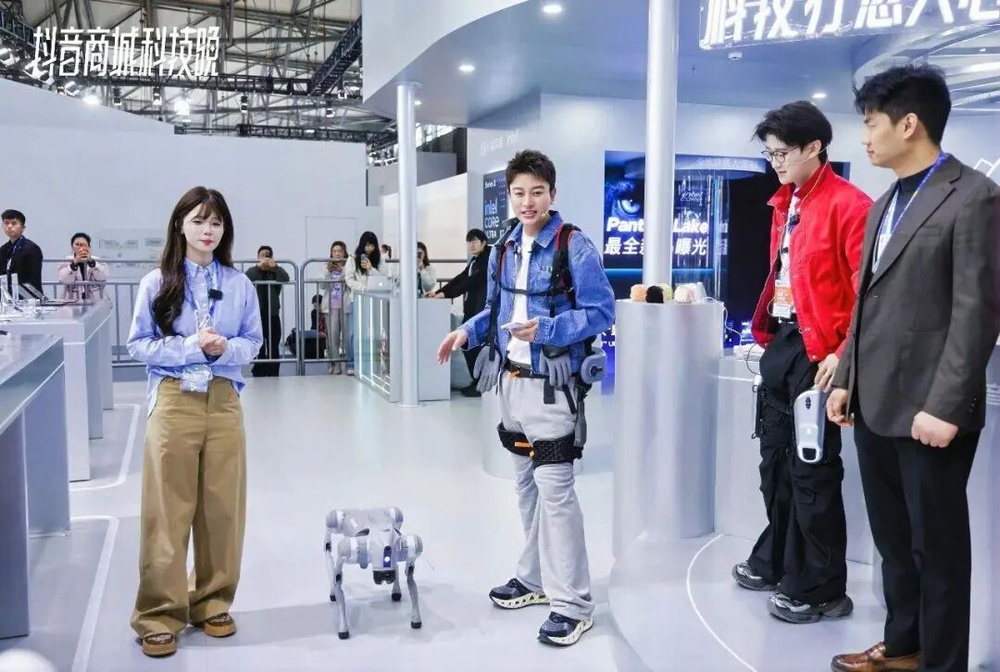
Not only are popular tech tracks crazily competing on specs, but once-called new species like 3D printers and consumer exoskeleton robots also face new competitors. In 3D printing, companies like Anker and Mova, which lean more towards 3C, showcased new 3D printers. Anker Innovations' brand eufyMake displayed its first consumer-grade stereoscopic texture UV printer, eufyMake E1. It's said to support full-color pattern and stereoscopic texture printing on over 300 materials. Software-wise, eufyMake also created portable design platforms to help users create their own designs. A staff member told us AI-generated design lowers the entry barrier, enabling most users to design desired models, opening space for 3D printers in the mass market. Companies with deep 3C hardware experience can quickly launch products, but now 3D printing tests not only hardware capability but also software platform and community building. Additionally, big players entering boost product awareness and pour funds into consumables, potentially reducing costs. He estimated consumable prices might drop by about a quarter this year. Not only 3D printers but also consumer exoskeleton robots are heating up, driven by leading stars. This year, many consumer exoskeleton companies like Aoshikai, BionicM, and Shengbu Innovation have sprung up. Shengbu Innovation, incubated under the Zero brand, brought a consumer-level lower limb exoskeleton robot weighing 2kg, which can be quickly donned within three minutes, with a battery life up to 10 hours. According to introductions, it improves movement efficiency by 20% through design, features AI gait adaptation, and supports 13 complex motion modes within 0.2 seconds. At the exhibition, almost all consumer exoskeleton booths had long queues of users waiting to try, and some brands had to limit traffic early.Aoshikai exhibition site | Image: GeekPark
Product positioning for consumer exoskeletons is more refined than last year, with versions suitable for the elderly, outdoor scenarios, or home adaptation. We briefly chatted with first-time users; most felt going up and down stairs was easier, but "it's too conspicuous to wear outside" deterred long-term use. Conversely, many middle-aged and elderly people showed more interest and willingness to buy, but worried about ease of use — the current operation still has a threshold.
Whether 3D printers or consumer exoskeletons, product design, tech routes, and functions show little difference from last year's displays — mostly parameter improvements with no significant experiential upgrade. But judging by the influx of players, last year's new species have become a small red ocean this year, attracting more companies.04
Observation 4: Eager to Go Global — Not Just Model Makers, but Also AI Glasses
Driving 50km, we saw companies' passion for going global at the AWE Shanghai Eastern Hub Pavilion. Overseas users without Chinese visas can enter via customs-free policies to view products. Relatively, most exhibitors here aim to broaden business overseas. Besides robotics, companies passionate about going global fall into two categories: model makers and AI glasses manufacturers. Model makers like MiniMax, SenseTime, Huawei, Baidu, and Qwen showcased not just model capabilities but business-oriented solutions. After talking to staff, we found they are eyeing the Middle East, Southeast Asia, and Asian markets, with many seeing model export as key to this year's growth. "Domestic models are among the most cost-effective products currently, and the user experience is better, making promotion easier in culturally similar markets. Especially with the Middle East building smart cities, there are many government and enterprise deals," a model salesperson revealed. But compared to large To B enterprises, startups need time to achieve data compliance, regulatory compliance, and build distribution systems in a new market. Model export is still in its early stages with no clear hierarchy yet.SenseTime exhibition site | Image: GeekPark
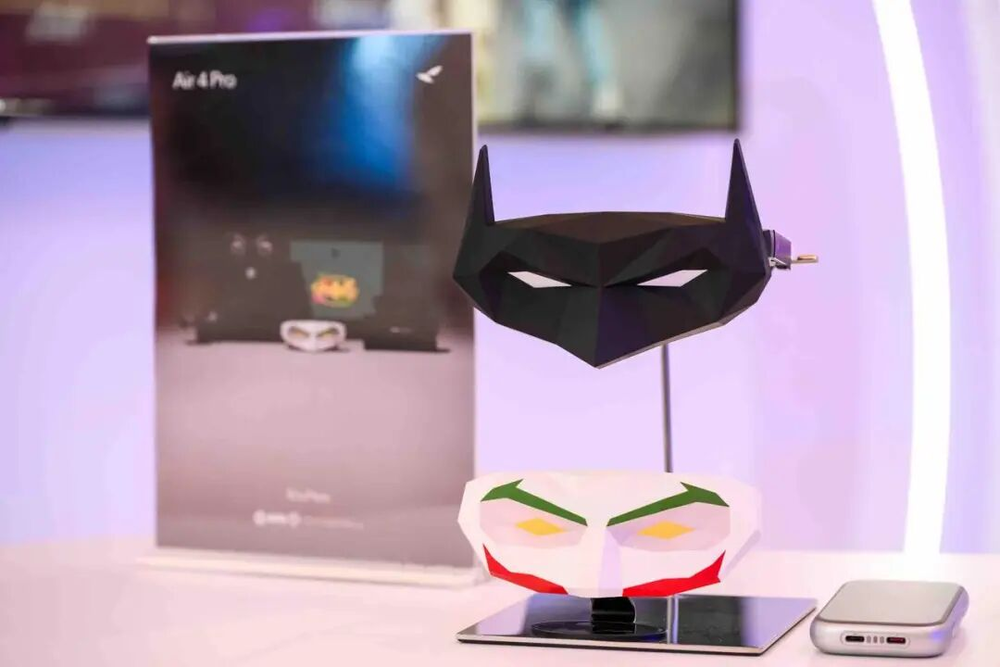
Besides models, smart glasses makers also gathered conspicuously in this hall. Common AI glasses players like INMO, Guangli, XREAL, and Thunderbird Innovation showcased their newest products. XREAL brought XREAL One Pro, XREAL 1S, etc. Thunderbird Innovation displayed the Thunderbird X3 Pro AI glasses and released "Thunderbird Smart Life," a local life application. Externally, few differences exist among brands; application layers vary, but actual experience gaps aren't huge.Thunderbird Innovation exhibition site | Image: Thunderbird Innovation
Apart from vertical AI glasses makers, internet companies like Huawei, Xiaomi, Baidu, and Quark also displayed existing AI glasses, focusing more on AI interaction but overall functions similar, with no obvious differentiation.
On-site sources say most vertical AI glasses makers have been overseas for years, but internet companies' AI glasses rarely have export plans. For most AI glasses makers, going global is often essential. Domestic AI glasses have low gross profit margins, while overseas margins can be 30%-50% higher. Overseas users are more willing to pay, leading to fierce competition among AI glasses makers in foreign markets.05
Observation 5: Bilibili, Xiaohongshu, JD.com, Douyin — Intense 3C Platform Competition
About two years ago, AWE began introducing major 3C e-commerce platforms, which started showcasing their tech genes. Bilibili invited Luo Yonghao, He Tongxue, and other gaming/digital content creators for group tours, creating five fun review areas and live-streaming AWE unboxings. Users could try cutting-edge home appliances and do large-screen game tests on site. Douyin held a "Tech Night" exhibition area, showcasing products like the nubia M153 Doubao phone assistant tech preview and the Stone G-Rover "stair-climbing vacuum." Douyin also invited celebrities to tour and experience products.Douyin exhibition site | Image: Douyin
Xiaohongshu held a 3C product "planting" contest, inviting influencers to check in. JD.com hosted many launch events, even giving out gold and offering national subsidy policies. From booth designs, Bilibili emphasizes tech content reviews, Xiaohongshu focuses on lifestyle experiences. Among e-commerce platforms, Douyin values fast-paced live streams, while JD.com knows e-commerce tactics. User positioning: Bilibili and Xiaohongshu skew younger; JD.com and Douyin target broader audiences.
Insiders reveal consumption has tightened recently, with online retail growth slowing. Tech products are considered a relatively good high-ticket category, hence all platforms prioritize them.06 Conclusion
Overall, AWE this year lacked many "heavyweight" products, but showed subtle AI-driven changes in daily-life products. For instance, manually or voice-controlled functions now integrate AI models, enabling natural language interaction and basic agency. We also noticed that compared to companies holding AI tech but unsure how to use it, many traditional home appliance makers have long planned AI integration. For example, kitchen appliance brand Robam showcased an AI kitchen glasses with monochrome display, guiding users step-by-step in cooking. It also integrates recipes into its model to teach personalized menus. Despite high AI attention across industries, many companies maintain high focus but low investment in AI Agent capabilities, believing it's too early for memory and execution. This reveals that the gap between AI concept validation and large-scale implementation isn't fully resolved. Yet this caution and restraint made this AWE less flashy but more pragmatic. After all, technology consumers are willing to pay for is good technology.Channel: Auto & MobilityGeekPark
Tracking the tech circle you can't miss.Certified Author · 967 articles published on Huxiu
This content is authorized by the author and represents only the author's views, not Huxiu's position.
For disputes or complaints, contact tougao@huxiu.com.
For disputes or complaints, contact tougao@huxiu.com.
Those changing and wanting to change the world are on Huxiu APP.
精选新品热销
为您精心挑选两款智能护理产品,结合先进科技与人性化设计,提升生活品质与健康体验


- 型号:He-M099-CN
- 功能:可视+振动+气压+热敷
- 材质:ABS+PU皮/蛋白皮
- 电池容量:1000/1200 mAh
- 续航时间:约70分钟
- 产品净重:360g
- 折叠功能:180°折叠设计
工作模式
5种专业按摩模式,可根据个人需求自由切换
`; } else { title = "He-S16 胶原光美容仪 - 详细参数"; content = `产品规格
- 型号:He-S16-CN
- 功能:EMS微电流+冰敷+红光+蓝光+石墨热敷
- 材质:ABS+PC+金属
- 电池容量:3000 mAh
- 使用时间:约50分钟
- 产品净重:110g
- 产品尺寸:95×45×86mm
三种护理模式
- 胶原再生模式:全脸护理,微电流+红光+石墨烯远红外
- V脸提拉模式:提拉护理,微电流+石墨烯+红光+蓝光
- 蓝光洁面模式:蓝光洁面护理,冰敷+微电流+蓝光
${title}
${content}
本文来源网络原创/转载文章,该文观点仅代表作者本人,不代表本站立场。本站仅提供信息存储空间服务,不拥有所有权,不承担相关法律责任。 如若内容造成侵权/违法违规/事实不符,请将相关资料发送至honghebusiness@foxmail.com进行投诉反馈,一经查实,立即处理!本站链接 https://www.honghebusiness.com/news-industry/2481.html
昵称:
内容:
验证码: 
提交评论
评论一下


