In the memories of many born in the 80s and 90s, glasses were once a novelty. At that time, many friends wore them as accessories, often using plain lenses with no prescription. As they grew older, prescription glasses gradually became the standard, and those without glasses became the minority.
For today’s adolescents (born after 2000 or 2010), glasses have already become a must-have for reading or using mobile phones. This trend is reflected in the data: myopia rates among children and adolescents in China have been rising year by year. Against the backdrop of growing online and remote education, the Ministry of Education found in 2020 that during the pandemic, many students increased screen time while reducing outdoor activities, which negatively affected vision. The myopia rate among primary and secondary school students increased by 11.7% in just six months.
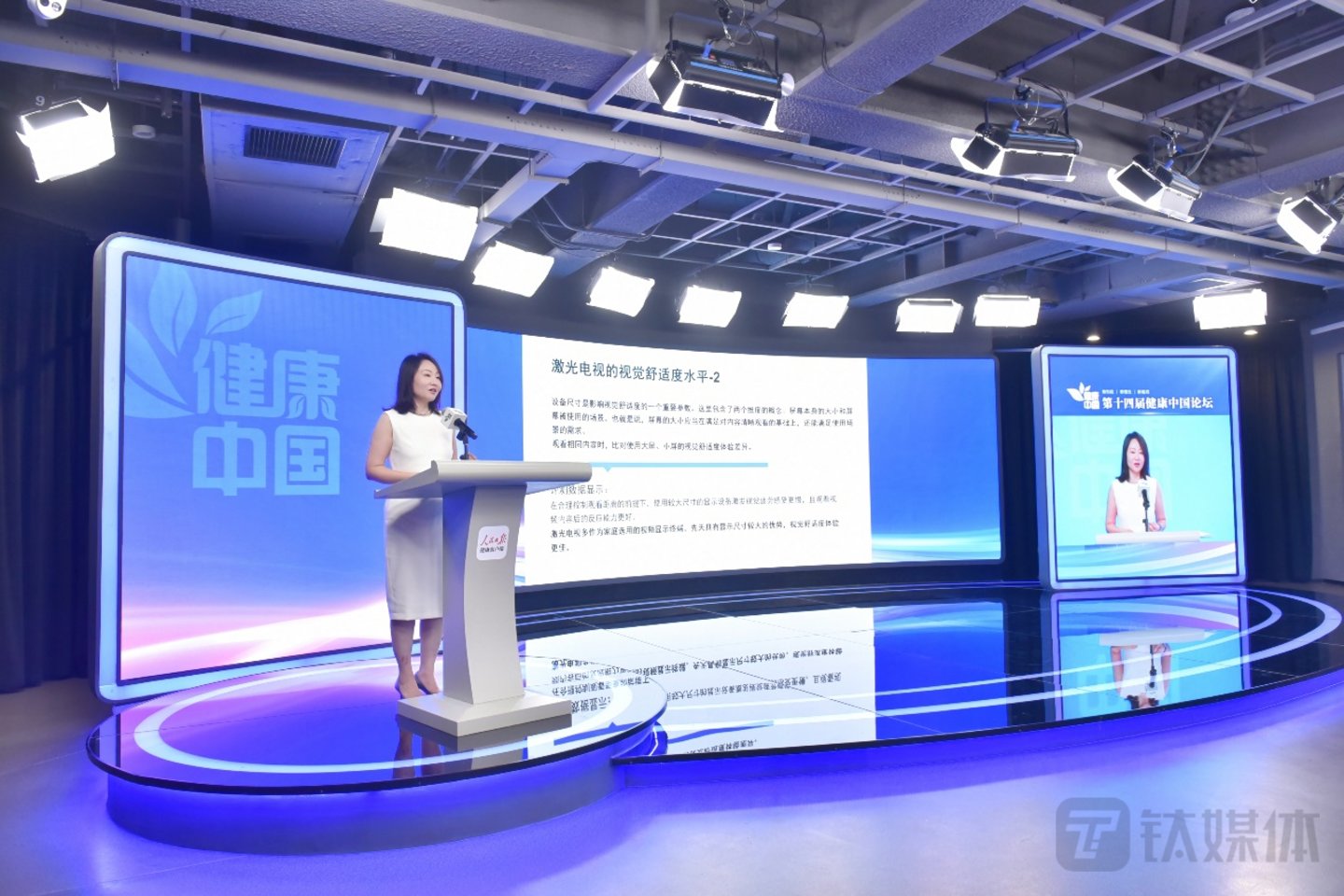
At the "Eye Health" forum of the 14th China Health Forum, Zhao Xiaoying, director of the Digital Media Office of the Digital Technology Research Center at China Electronics Standardization Institute, said that a survey of children and adolescents aged 3–18 in Beijing showed that prolonged tablet viewing, smartphone use, watching 3D content, and flat-screen TV use are the main sources of visual discomfort.
However, it is unrealistic for today’s young people to completely avoid exposure to these display devices. From home TVs, phones, and computers to cinema screens and mall displays, display hardware has become an indispensable part of modern life.
On one hand, there is technological progress; on the other, healthy living. How to reconcile the two? The author believes that healthy viewing habits and technology-driven eye protection are equally important.
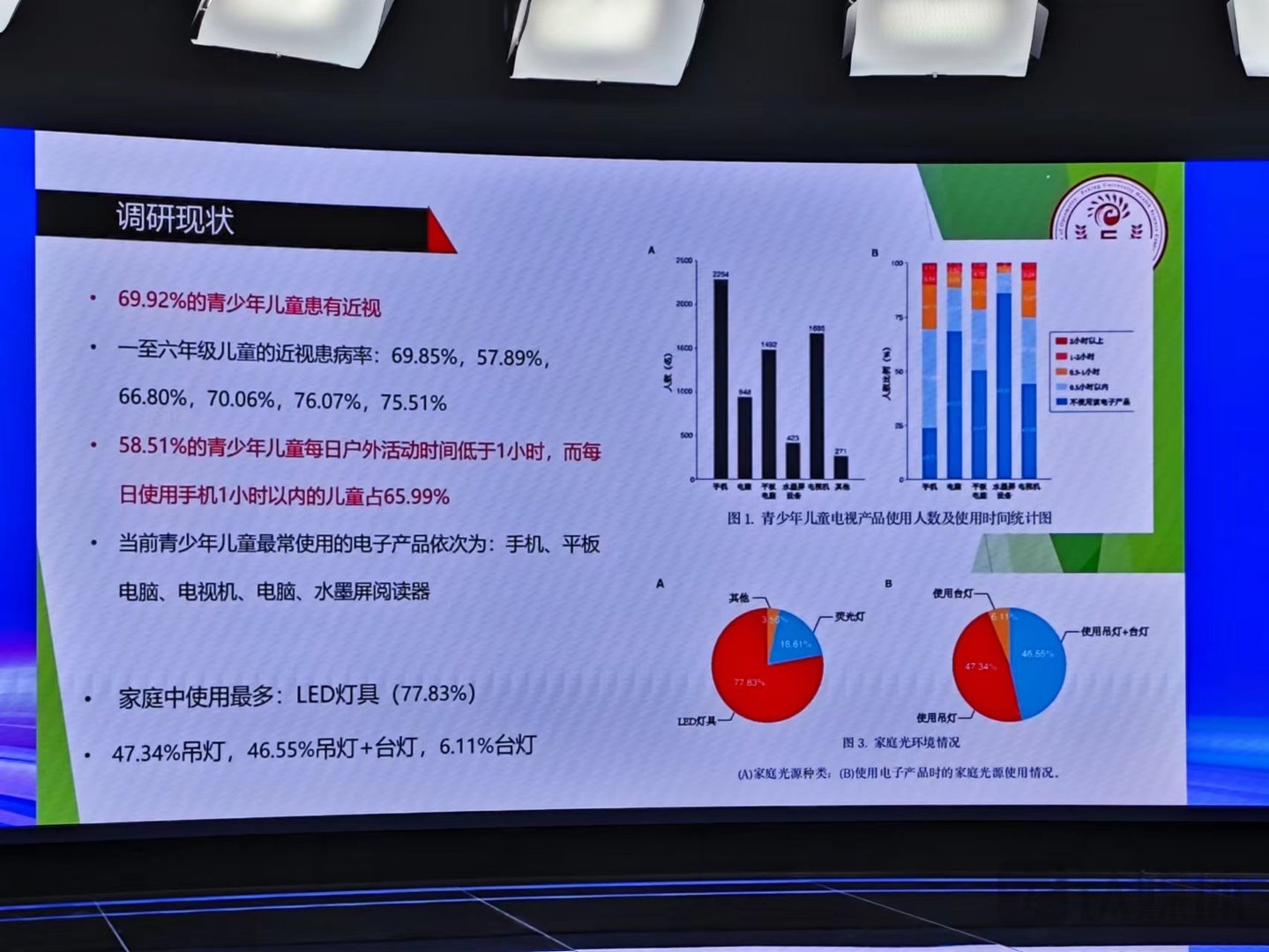
Professor Wang Kai, assistant dean of the Optometry School at Peking University Health Science Center and chief physician at Peking University People's Hospital, pointed out that when adolescents read on different devices (phones, e-readers, tablets, paper books, computers), the dense content displayed due to screen size forces the eyes to constantly refocus.
Prolonged close-up viewing makes the eyes accustomed to focusing on near objects, which can eventually lead to myopia. When reading distance is less than 30 cm, it accelerates myopia progression and increases the risk of high myopia. This explains why looking at distant objects becomes blurry after long periods of phone or tablet use.
From the perspective of eye health, preventing myopia in adolescents requires not only healthy routines and proper nutrition but also careful use of display devices. First, control screen time: continuous viewing should not exceed 30 minutes, after which one should shift focus to something farther away, such as a window view, or close the eyes for a short rest.
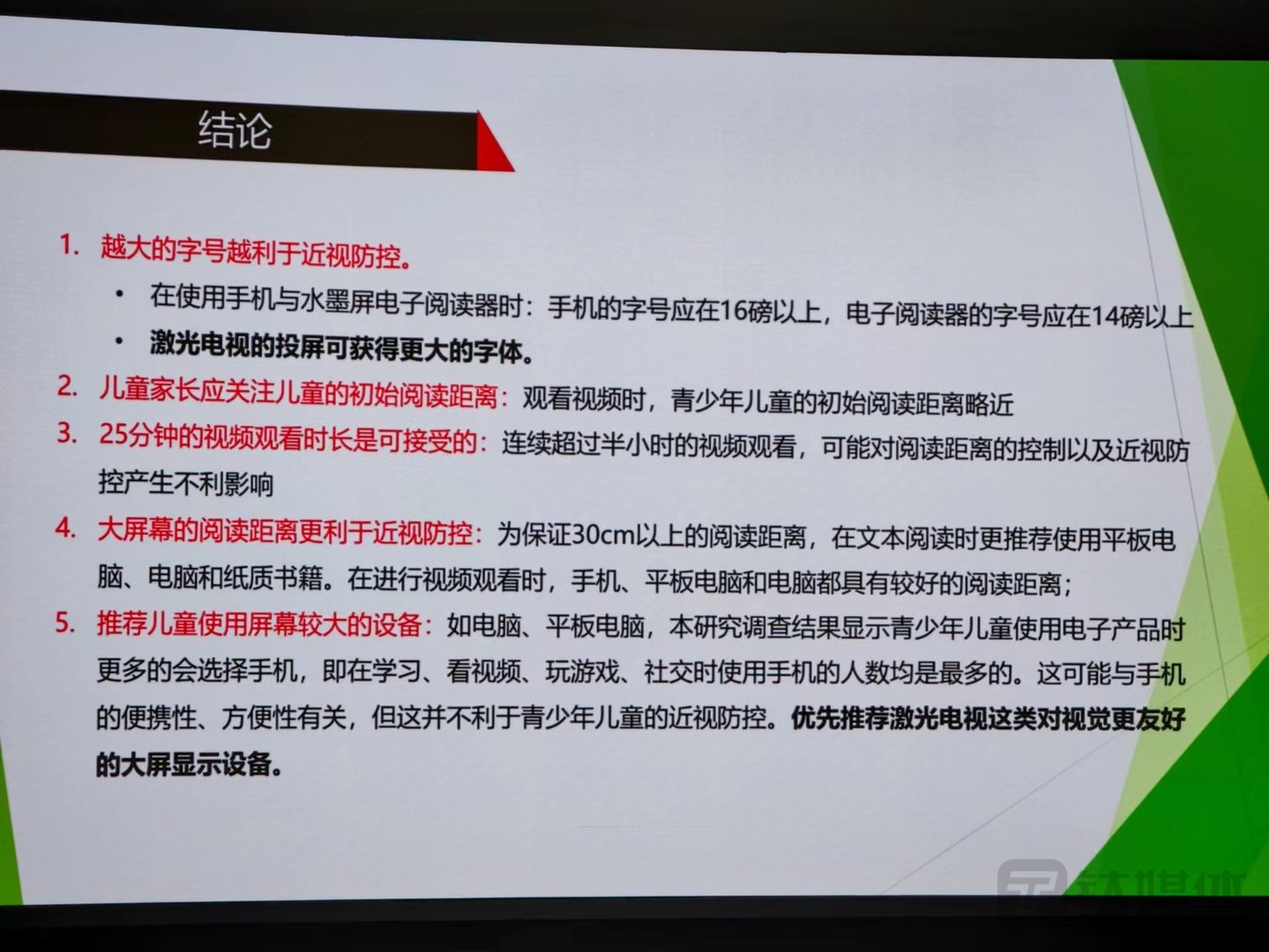
Secondly, pay attention to text and image size as well as video brightness. For example, when using e-ink devices or tablets, increase the font size to at least 16 points. Small fonts or dense images can cause adolescents to unconsciously move closer, while overly bright or high-contrast video content easily leads to eye fatigue.
In addition to viewing habits, the choice of display technology is also vital. According to Gao Weinan, a senior engineer at the Technical Institute of Physics and Chemistry, Chinese Academy of Sciences, blue light in the natural spectrum ranges from 400–500 nm. Short-wave blue light between 415–455 nm has high energy and can penetrate the lens to reach the retina, causing atrophy or even death of retinal pigment epithelial cells.
Many display devices in the past focused only on colour performance while neglecting the generation of harmful blue light. This is why many manufacturers are now promoting eye-care and low-blue-light certifications. Moreover, OLED technology, compared to traditional LCD, is more prone to flicker at low brightness, which can also contribute to eye strain during extended use.
Therefore, when selecting displays for adolescents, two important guidelines are: prioritize larger screen sizes, and choose products with diffuse reflection technology and low (or zero) harmful blue light. In other words, when possible, watch TV rather than tablets, and use tablets rather than phones. Moreover, eye-protection features should be a key evaluation criterion when purchasing devices.
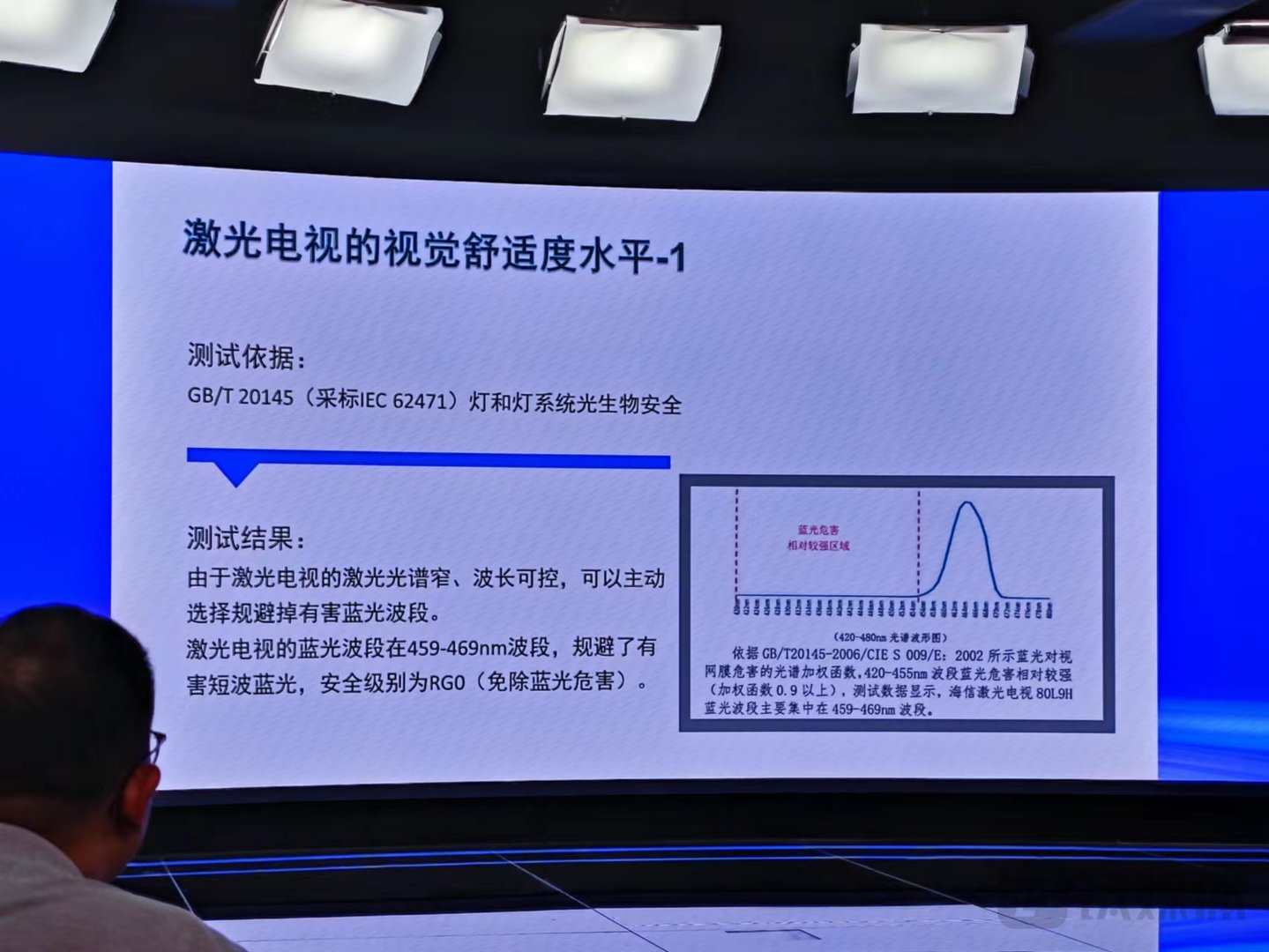
In the field of display technology, emerging products such as Hisense’s laser TV place heavy emphasis on screen size and eye protection. Tests by the China Electronics Standardization Institute on visual comfort levels of laser TVs show that Hisense laser TVs emit blue light in the range of 459–469 nm, avoiding harmful short-wave blue light and achieving RG0 safety level (exempt from blue light hazard).
Moreover, Hisense laser TVs mainly cover sizes from 75 to 120 inches, making them significantly larger than traditional LCD TVs. This allows adolescents to maintain a safer viewing distance. The diffuse reflection method used also mimics the colour reproduction of natural light, further reducing eye fatigue.
In recent years, as a major driver of laser display technology, Hisense has also launched full-colour laser TV products, further elevating the colour performance and visual experience. Future upgrades such as 8K ultra‑high resolution and rollable screen laser TVs are already on a clear technical roadmap. This allows laser TVs to deliver immersive large-screen visuals while protecting eyes.
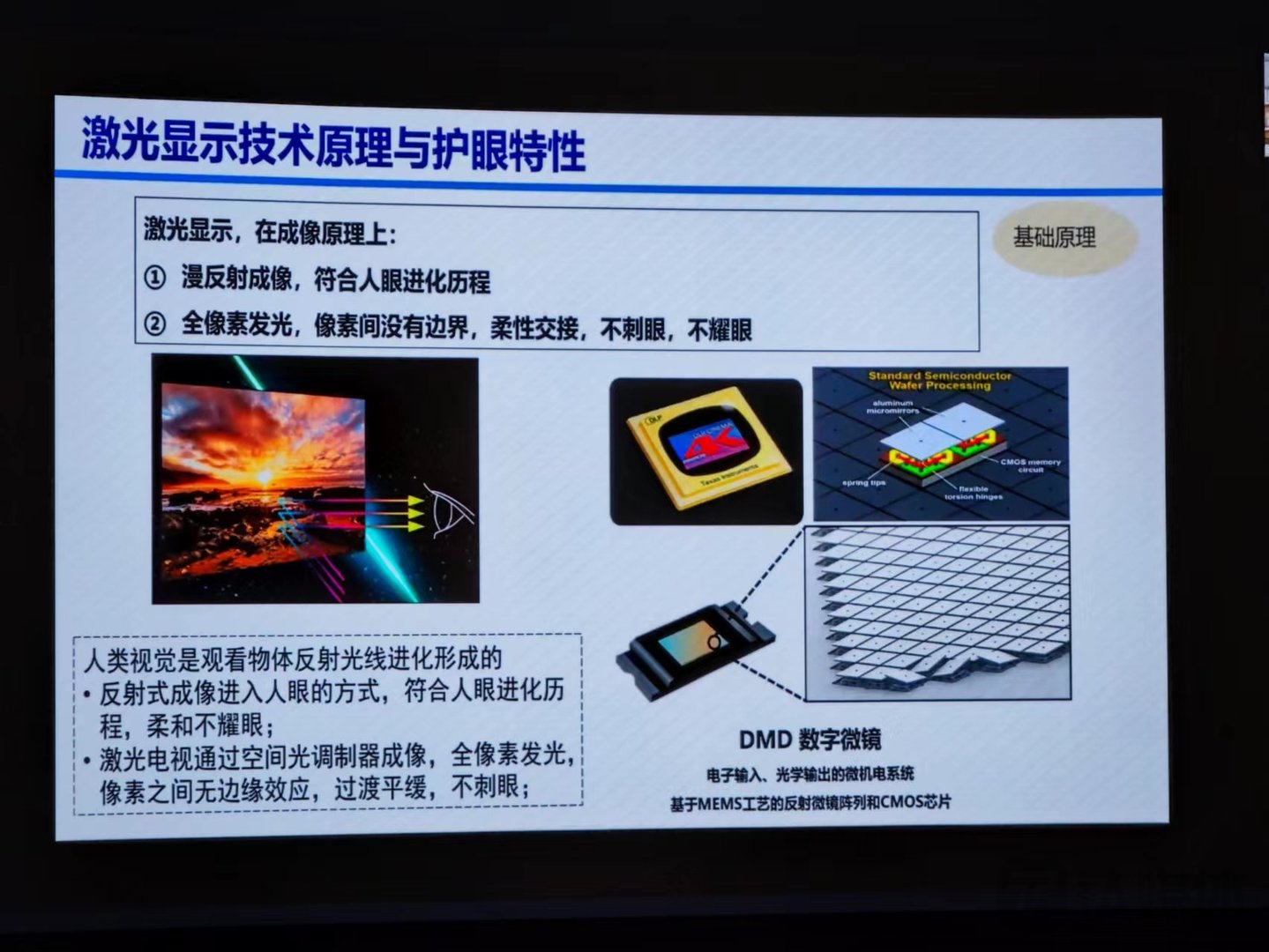
Zhao Xiaoying added that beyond the inherent advantage of larger display sizes, laser TVs already avoid harmful blue light at the emission structure level, making them highly beneficial for adolescent myopia prevention. When developing laser TVs, Hisense paid close attention to the harmful blue light issue. As a result, full-colour laser TVs eliminate harmful blue light from the fundamental colour generation stage. Compared to many current displays that emphasize "low harmful blue light", laser TVs truly achieve "0% harmful blue light".
As an emerging display field, laser display is expanding beyond laser TVs into cinemas, commercial large screens, and other scenarios. Compared to traditional display technologies, better colour performance and fully independent technological structures will facilitate its widespread future application.
Many display manufacturers, represented by Hisense, have recognized the potential of laser display and are developing products for both consumer and commercial use. It is foreseeable that the integration of displays with reality will become even more common in daily life. With both large size and eye protection, laser display technology will radiate greater energy in the display industry. (First published on TMTpost App)