In busy modern‑day life, many people choose massage to release stress and physical tiredness.
Whether after long‑hour work or muscle soreness post‑workout, massage delivers physical relaxation and mental comfort.
It eases tense muscles, boosts blood circulation and alleviates psychological pressure.
Nevertheless, massage benefits come with limitations. It is not fit for every person under every circumstance. For certain populations, massage offers no positive effects and may lead to severe health hazards.

1 Patients with cervical spondylosis
Massage demands extreme caution for cervical‑spondylosis patients. Especially for patients suffering from myelopathic cervical spondylosis, cervical segment instability or developmental cervical‑spinal‑canal stenosis, the spinal cord is already under mild pressure. Forceful spinal manipulation may generate sudden violent impact, sharply increasing spinal‑cord compression, triggering rapid deterioration of neurological function and even permanent high‑level paraplegia.
2 Middle‑aged and elderly population
Beyond spinal‑cord‑compression risks, carotid plaque is another critical concern for neck massage, widespread among middle‑aged and elderly citizens, particularly those with hypertension, diabetes, hyperlipidemia or smoking habits. Neck manipulation may dislodge sclerotic plaques; emboli flowing intracranially will cause stroke with grave consequences.
Elderly people face further massage‑related risks. Aging frequently brings senile osteoporosis, and bone loss worsens with age. Excessive massage force may induce bone fracture or joint dislocation. Automated massage chairs are not recommended, as preset modes cannot adapt to individual physical conditions.
3 People diagnosed with other specific diseases
One easily overlooked warning: patients with renal angiomyolipoma should never receive heavy abdominal or back compression.
While enjoying massage relaxation, remain alert to potential health risks, especially for people with pre‑existing medical conditions.
1 Neck massage
Neck massage carries risks even for healthy individuals. The carotid sinus, located roughly three finger‑widths beside the mid‑neck, is extremely sensitive. Inappropriate external stimulation may cause syncope in mild cases or cardiac arrest in severe scenarios.
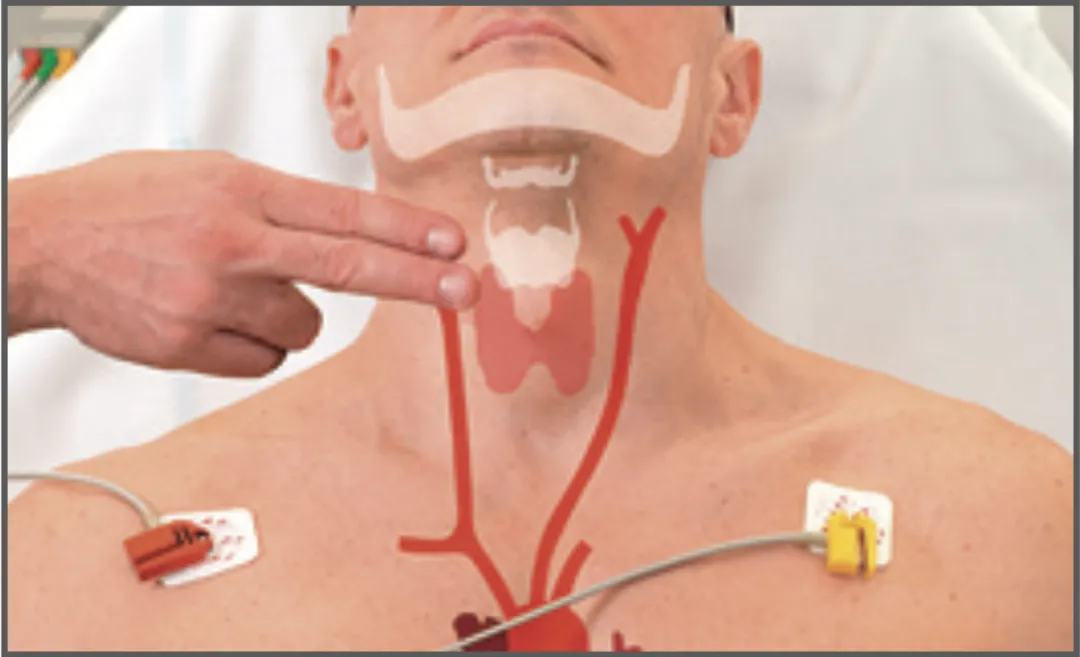
Some short‑video platforms circulate insomnia‑relief massage tutorials that dangerously recommend pressing and rubbing the carotid‑sinus area for one full minute. Warn your acquaintances against imitating these hazardous massage techniques.
2 Breast massage
Breast massage is strongly discouraged. Many beauty‑salon massage essential oils contain exogenous estrogen. Extra hormone intake may elevate breast‑cancer probability. If early‑stage breast cancer already exists, massage may stimulate tumor proliferation and accelerate progression to advanced stages.
Early‑stage breast‑cancer lesions can be tiny and asymptomatic, sometimes undetectable even by professional breast‑department physicians through palpation. Massage applied onto existing tumors may facilitate cancer metastasis, which has been validated in animal experiments. Stay highly cautious toward commercial breast‑massage services.
Massage serves as a valid relaxation method with tangible benefits. Yet self‑assessment of physical status is essential before receiving treatment. Mastering massage contraindications ensures safe experiences and averts avoidable health hazards. Health is our top priority; massage yields positive effects only under safe premises.
Before booking massage appointments, check whether you belong to high‑risk groups. Whenever doubts emerge, consult physicians or qualified massage therapists for professional advice.
Source: Xinhua News Official WeChat synthesized from Popular Science China (Author: Jiang Yongyuan, Master of Internal Medicine, Third Military Medical University)


