
According to a survey by the China Health Science and Technology Association covering 16 provinces and municipalities with populations over one million, the average sub-health rate is 64%. Within this vast group, young and middle-aged people are the absolute majority. With frequent reports of sudden deaths at work or tragic losses due to severe illness, young people have grown increasingly worried about their personal health.
Fortunately, thanks to transparent information networks and rising health awareness, young people no longer blindly trust wellness products that rely on “anxiety selling.” Instead, they are turning to more professional and scientific methods of self-care. From fitness to massage, young people with an eye for quality living and strong financial capability have become the backbone of scientific wellness. In today’s fast-paced world, a premium massage chair has become the top choice for young wellness seekers, even ahead of gym routines.
The Middle Class Has a Taste for Wellness
In the past, massage was often seen as a pastime for the elderly, while spa treatments were considered primarily for women. But today, the young middle class has emerged as a new force in this arena. These individuals are in their prime, well-educated, and have both disposable income and life experience. Their understanding of health far exceeds that of the average person. However, due to their hectic schedules, they prefer convenient massage devices. Some internet companies even offer massage gadgets as workplace benefits, much to the delight of employees.
Although small devices for massaging eyes and shoulders can be used anytime and anywhere, the ultimate experience still comes from a dedicated massage chair. In fact, shared massage chairs can already be found in some offices, offering far better relaxation than ordinary equipment. As this kind of experience spreads, home massage chairs are increasingly becoming a must-have. Many people now set aside space for a massage chair during home renovation, turning one seat of the sofa into a massage chair. Clearly, this kind of home wellness equipment is destined to become a future essential.
Previously, due to limited purchasing power, China’s massage chair industry primarily focused on exports. But as prices have dropped and incomes have risen, cost is no longer the main barrier to adoption. The strength of Chinese manufacturing is now delivering more high-quality products to the domestic market. Meanwhile, the rapid advancement of AI has brought smart, connected capabilities to the industry, enabling a leapfrog development. Many newly launched chairs come with internet connectivity, over‑the‑air updates, and voice control, taking the user experience to a whole new level. For consumers, the feeling is increasingly comparable to professional out‑of‑home massage, and the per‑session cost becomes quite reasonable—saving significant travel time, which makes it the preferred choice for young people.
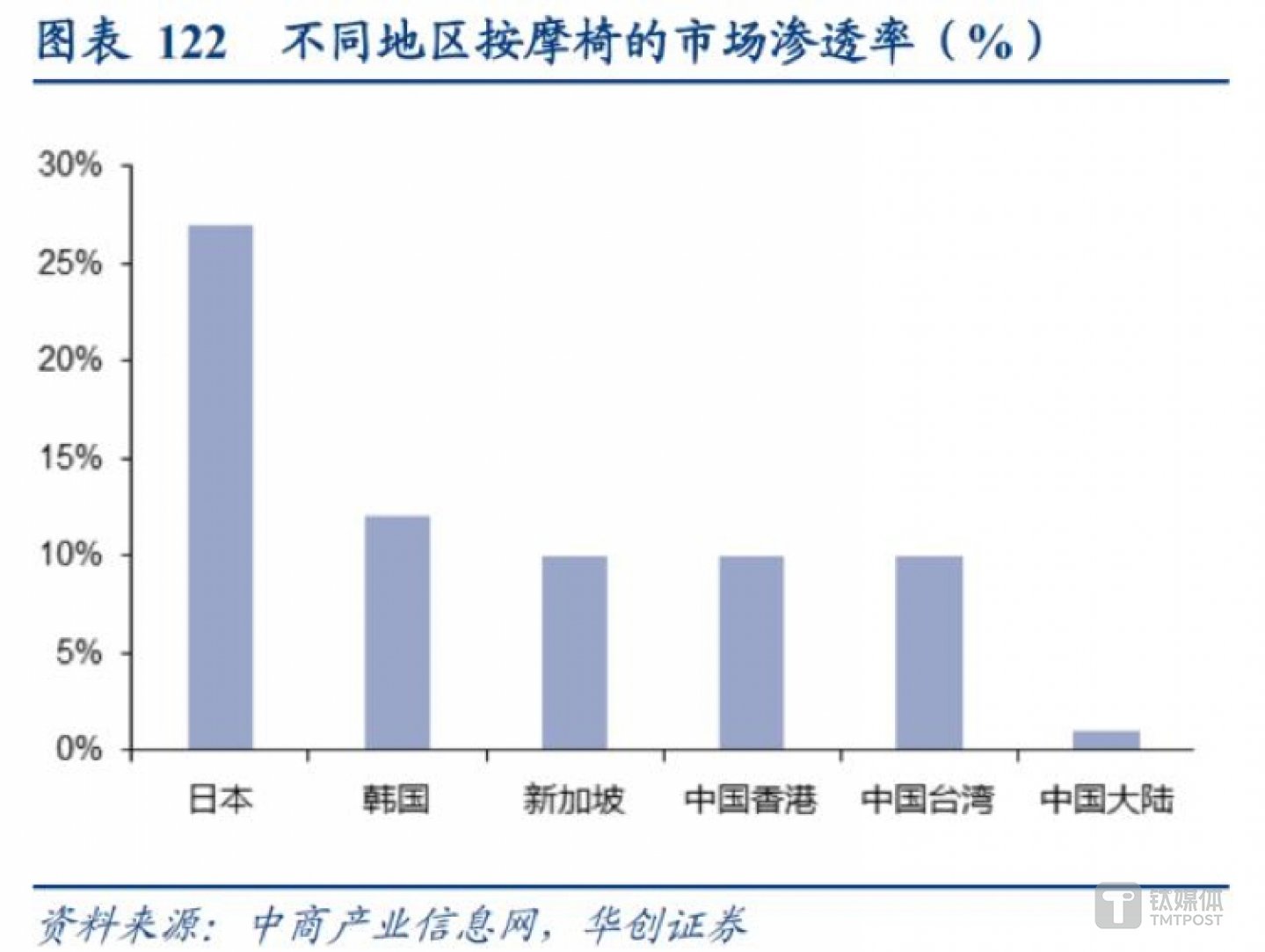
Industry data shows that in developed regions like Japan, South Korea, and Singapore, massage chair penetration is quite high, reaching 10–20% of households. In the Chinese market, however, penetration remains below 1%. The market is still in its early stages, presenting huge opportunities. But precisely because China is a late‑comer market, consumers have higher expectations for product quality and functionality, placing greater demands on manufacturers.
Rongtai RT8900 Targets the Premium Segment
I am personally a massage chair enthusiast. I often try different models and have noticed many issues in the industry. For instance, some cheap chairs costing only a few thousand RMB are structurally little more than a chair‑shaped cushion; they are ineffective and take up space. You might as well buy a massage cushion for your sofa. Such low‑end chairs are something people need to be wary of—don’t be tempted by the low price.
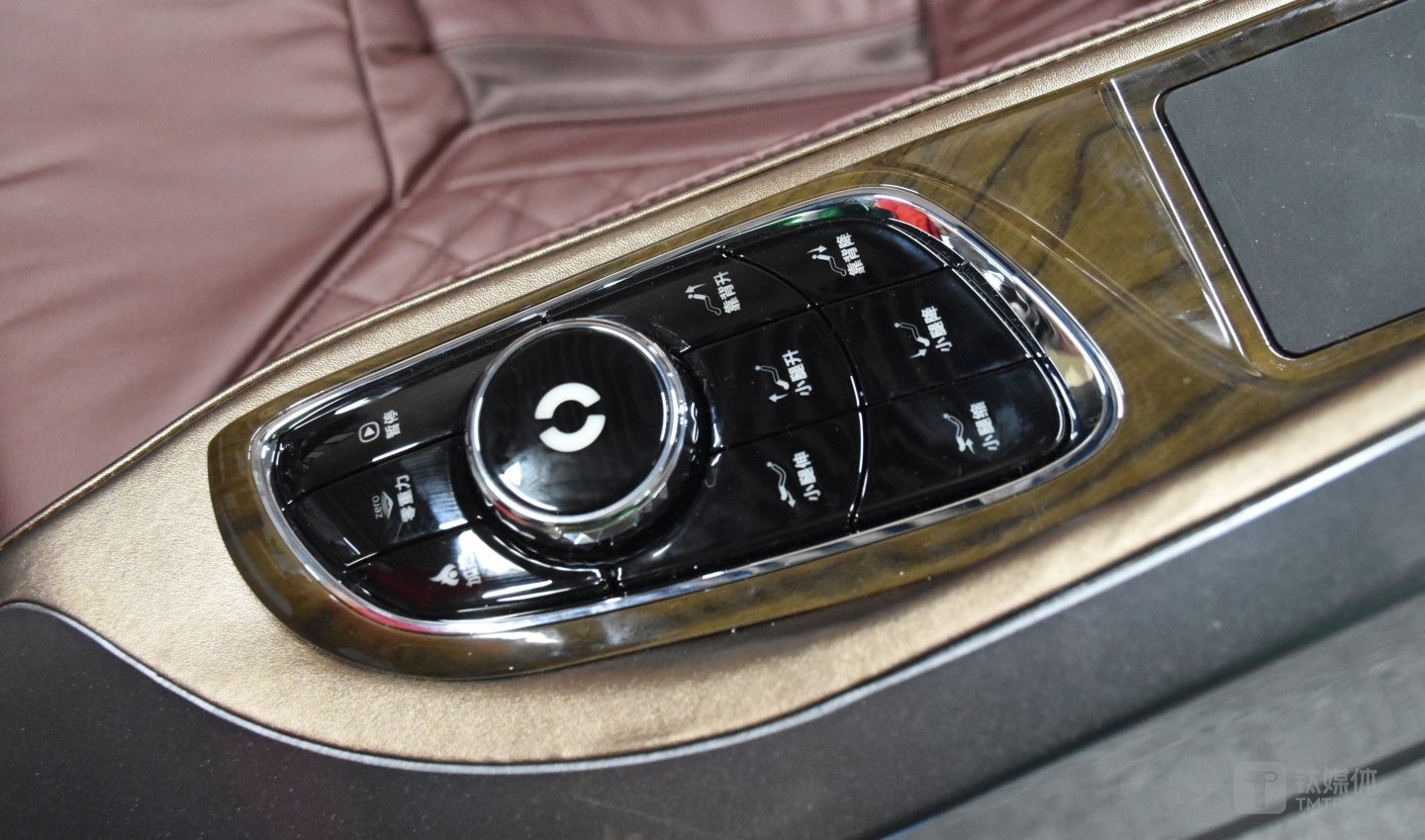
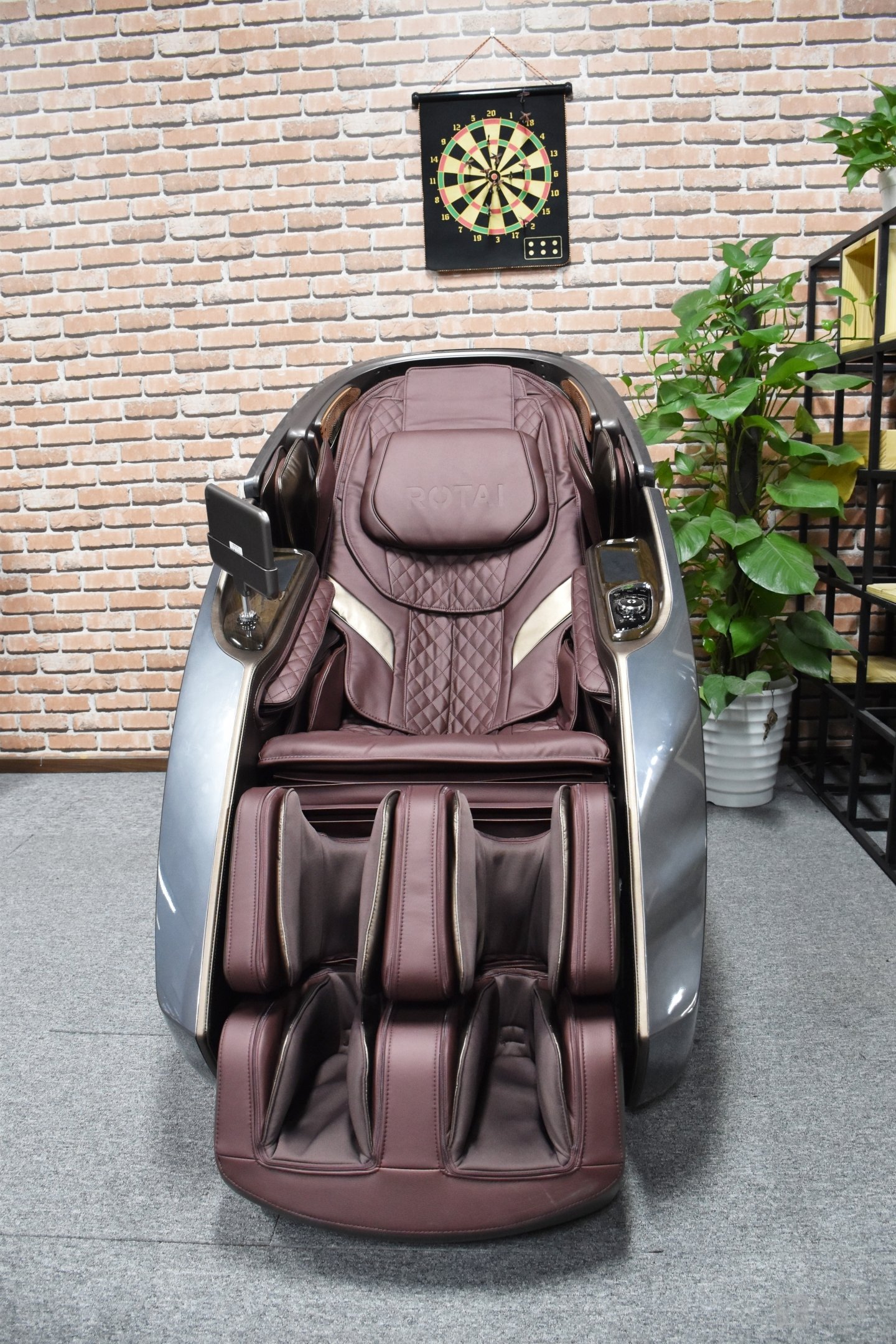
The product that recently impressed me the most is the Rongtai RT8900 Gemini massage chair. Both in terms of design and actual experience, it represents a significant upgrade over the industry average. Its smart control system is particularly striking. For example, the armrest controls feature a Maybach‑style rotary knob that adjusts 3D massage intensity, while dedicated buttons allow targeted local massage—a truly luxurious feel.
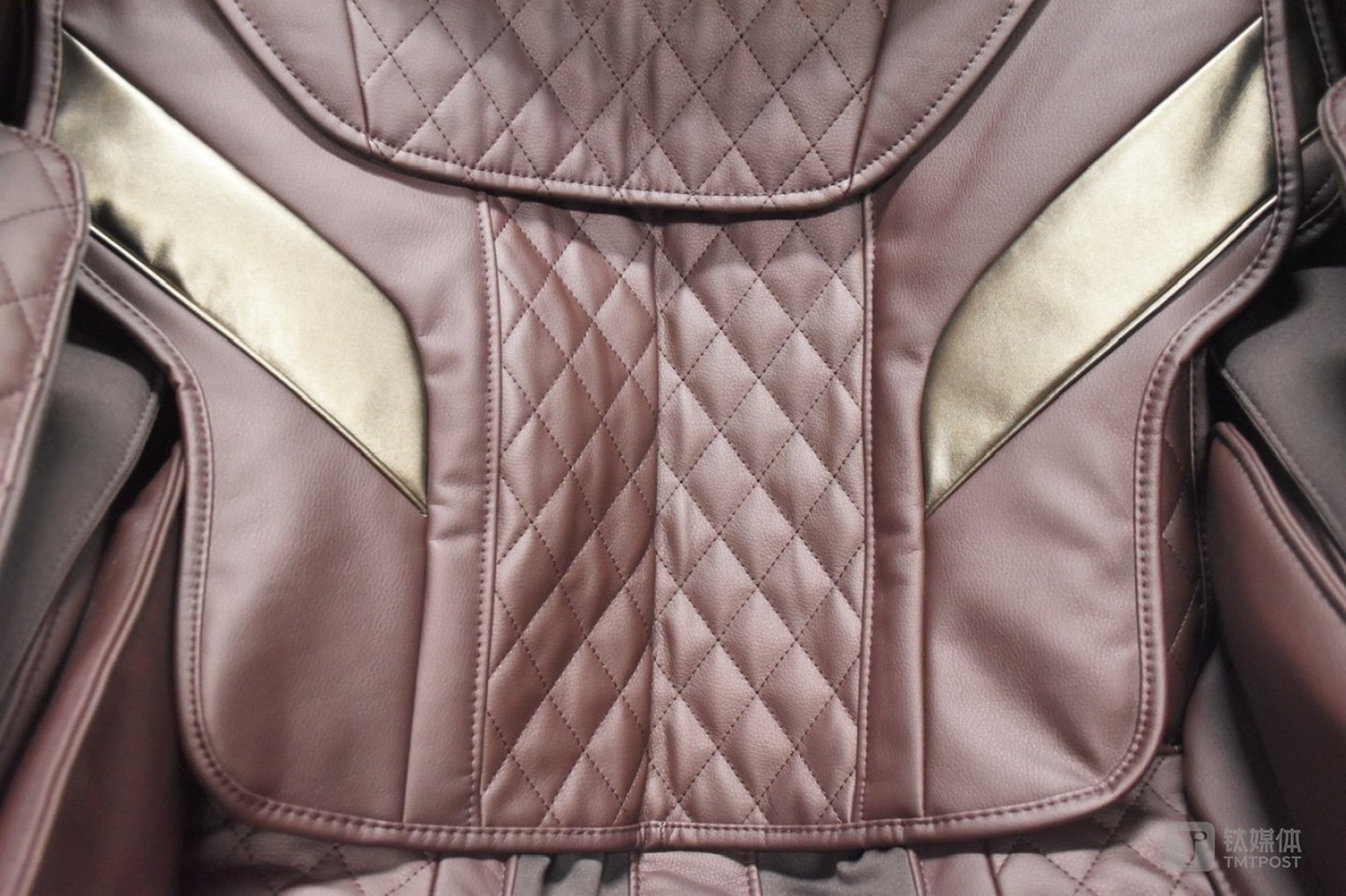
The entire seat is upholstered in leather with a low‑key but luxurious color. Sitting in it feels like a high‑end sofa—comfortable even without activating the massage function. As for the mechanism, the “Gemini” designation comes from its dual‑mechanism design: a 3D deep‑tissue massage mechanism plus a dedicated lumbar‑hip mechanism. This allows simultaneous massage of shoulders, neck, and lower back with greater precision and intensity. It is a top‑tier technology in the massage chair industry and underpins the chair’s outstanding performance.
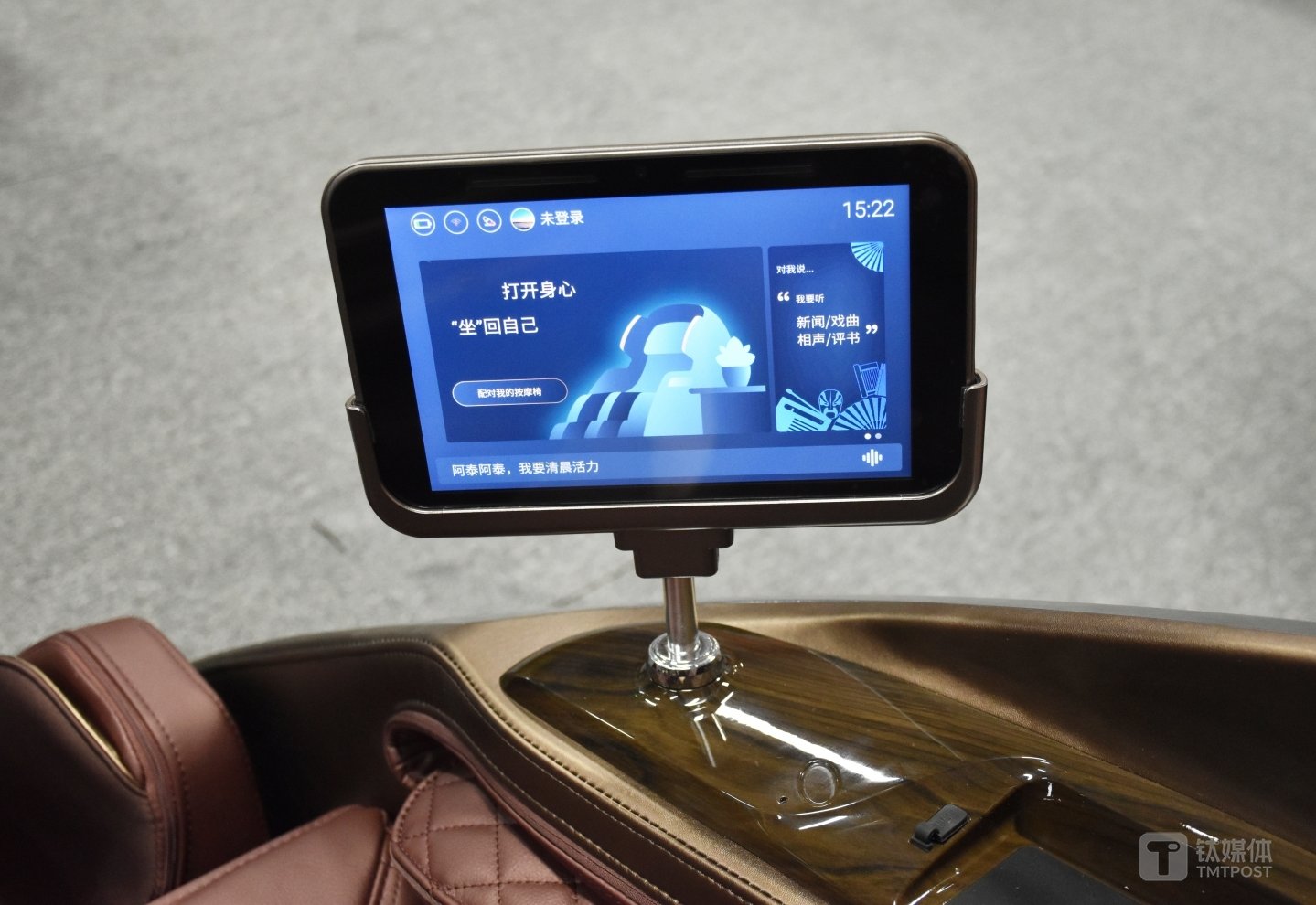
The chair supports full voice control, and the high‑tech tablet interface along with the integrated wireless phone charger show the designers’ attention to detail. I believe this level of intelligence is a very clear direction for the industry, as it adds more operability and upgradeability—features that appeal to younger users. It effectively extends the product’s lifespan and continuously unlocks the hardware’s potential.
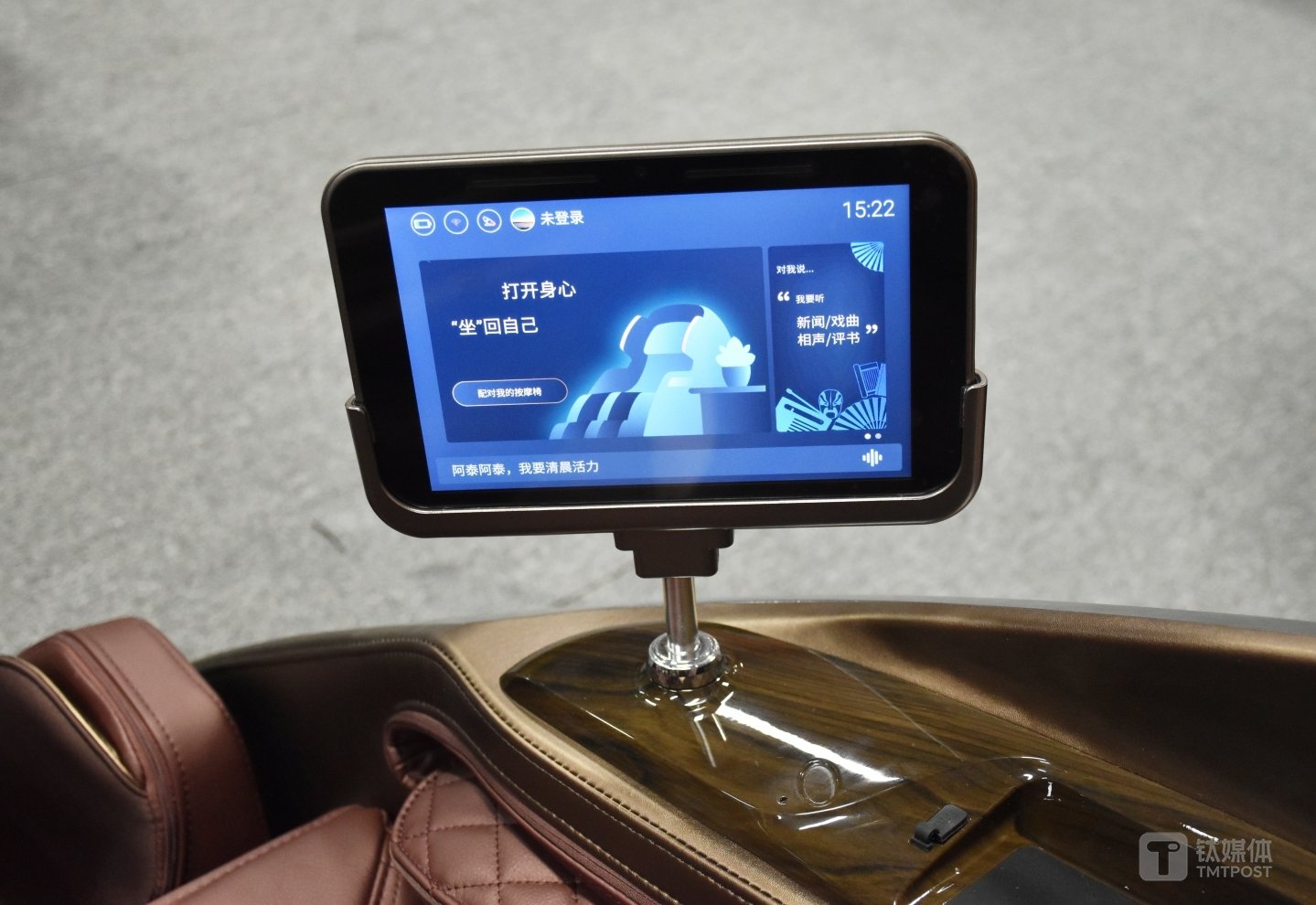
When it comes to the core massage functions, several aspects stand out. First, the feature that truly differentiates a massage chair from other devices is the zero‑gravity experience—lying back and feeling suspended in air. It is immensely satisfying, and in my opinion, the soul of any massage chair. The Rongtai RT8900’s zero‑gravity mode is excellent, offering multiple angles. Even when stationary, simply lying on it feels wonderfully comfortable and relaxing.
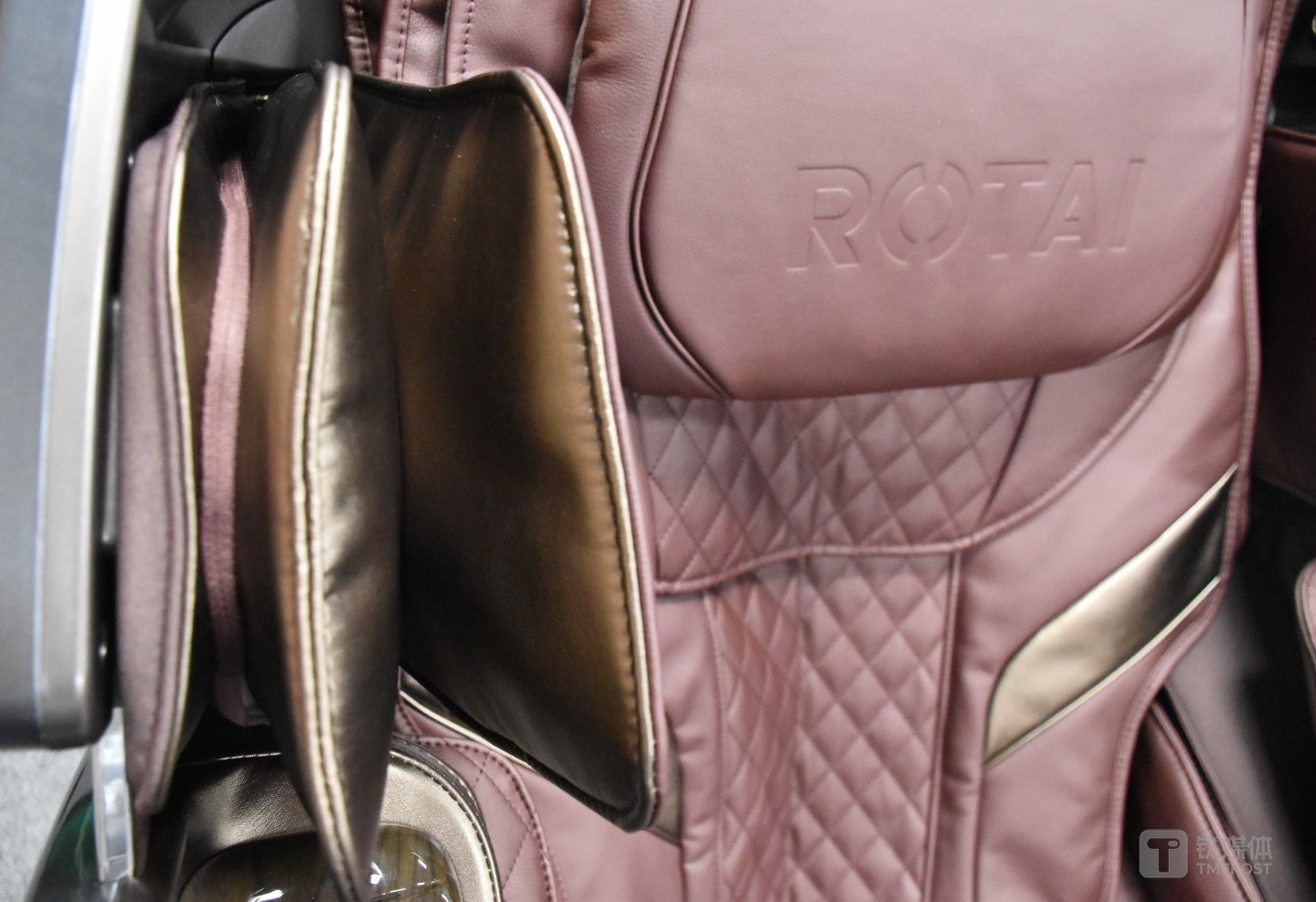
Full‑body massage is another key advantage. Even a human therapist has only two hands and cannot simultaneously massage multiple areas. A massage chair, by contrast, can. While it may not match the precision of human hands, the overall immersion is unparalleled. The RT8900 features up to 50 airbags covering the shoulders, arms, lower back, knees, legs, and feet. Through alternating inflation and deflation, it simulates kneading, pressing, and squeezing motions to deliver an effective massage.
“Leg Stretch” Brings a New Sensation
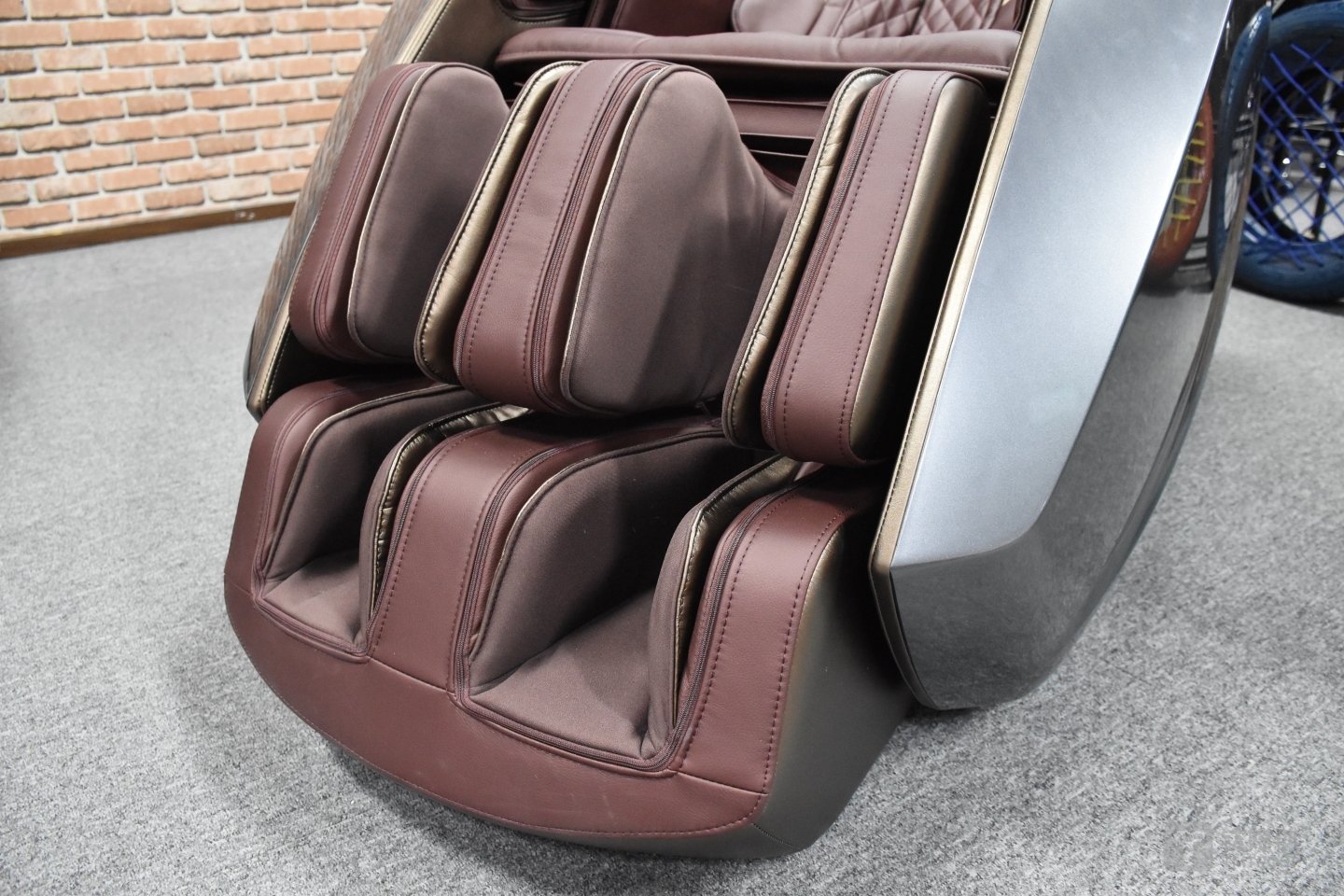
While most massage chairs offer similar features, what truly sets the Rongtai RT8900 apart is its bidirectional telescoping leg massage, which provides a stretching sensation. This is rarely seen in other devices. Beyond just compressing the calves, it also stretches them—an excellent feature for desk‑bound professionals.
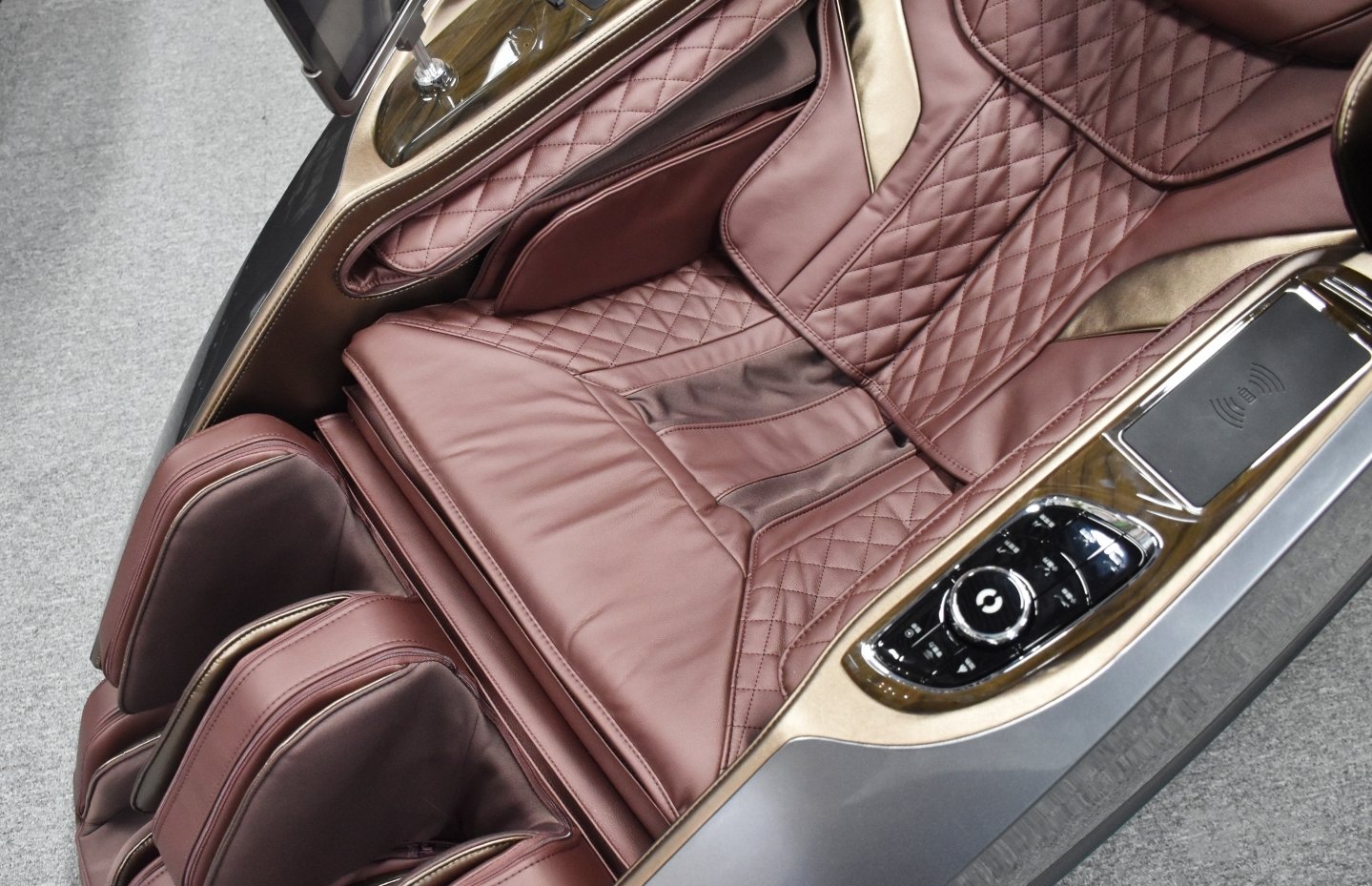
Most office workers spend long hours sitting at desks and rarely get the chance to stretch. Lying flat in the chair relaxes the shoulder blades while stretching the legs—it is an outstanding relaxation experience and, I think, the chair’s biggest advantage. After all, a massage chair is about massage, and to excel, it must offer something different. The Rongtai RT8900 has keenly identified the unmet needs of modern professionals and developed patented technology to address them. I find this truly innovative.
It’s also worth noting the use of next‑gen graphene heating, which warms up quickly and maintains a stable temperature between 45–50°C (113–122°F). The heat feels very comfortable, and combining massage with heat therapy is a powerful way to relieve fatigue.
Overall, the Rongtai RT8900 excels in design, functionality, and unique capabilities. Its smart features, in particular, place it at the forefront of the industry. As a tech enthusiast, I find the controls intuitive and full of high‑tech appeal, encouraging exploration of more massage programs. With future system upgrades, this chair will surely unlock even more potential and new ways to enjoy it—and that is the most exciting part.
The innovations in the Rongtai RT8900 show that the entire massage chair industry has entered a new phase. Intelligence, technological upgrades, and the race for unique patents will be the keys to future success. If a car is a young person’s first “ride,” then a massage chair can be their second—one that safeguards their health. How do you build a massage chair that young, quality‑conscious consumers will love? By achieving a level of experience and intelligence that competitors can’t match. The Rongtai RT8900 is Rongtai’s answer. I believe that when young people see this product and genuinely experience it, they will feel the advanced technology and the genuine care behind it.


