Shared massage chairs: a track that once filled investors with high hopes, only to be abandoned by capital. No one had much faith, yet one company is determined to prove them wrong.
Recently, the parent company of shared massage chair brand “Lemo Bar” — Lemoa IoT — submitted an IPO application to the Hong Kong Stock Exchange. According to the prospectus, Lemo Bar is the **** brand in the shared massage seat industry, having deployed over 320,000 massage chairs in cinemas alone. In the first nine months of 2024 alone, Lemoa IoT achieved revenue of 614 million yuan and net profit of 100 million yuan — even distributing over 40 million yuan in dividends to shareholders before the IPO.
For a long time, whenever people mentioned shared massage chairs, they thought of the awkward massage techniques: sudden thumps, pressure and even neck pinching. Or the worrying hygiene: dead skin, snack crumbs, leftover drink bottles could all inadvertently be left on the chairs.
But whether it’s the forced choice inside movie theaters, or giving in to exhaustion at shopping malls and stations, countless consumers have helped boost Lemoa IoT onto the IPO track. Consumers looking to “lie flat” — who really wins?
Shared massage is about to produce its first public company
Although shared massage chairs are familiar to many, few people knew much about “Lemo Bar” before the IPO news, let alone its parent company, Lemoa IoT.
Recently, Lemoa IoT, the company behind shared massage chair brand “Lemo Bar”, filed for a Main Board listing on the Hong Kong Stock Exchange, with CSC International and Shenwan Hongyuan Hong Kong acting as joint sponsors.
According to corporate data, Lemoa IoT was founded in 2014, and began smart massage services in 2016, launching the well-known shared massage chair brand Lemo Bar: “Unstaffed operation, with smart chairs placed in airports, high-speed railway stations, hotels, cinemas, tourist attractions, internet cafes and other scenarios.”
According to the prospectus, about 70% of Lemo Bar’s service points are directly operated by the company; the other 30% adopt a partner model, where the company provides equipment and technical support while local partners handle site selection, decoration and other operational tasks, sharing revenue proportionally.
Driven by these dual models, as of January 15, 2025, Lemo Bar had established more than 45,000 service points nationwide, deployed over 500,000 smart massage devices, covering 31 provincial-level regions and 339 cities, with cumulative identifiable service users exceeding 150 million and more than 2.8 million registered members.
It is worth noting that while the sharing economy struggles with losses, Lemo Bar has been “lying on the road to profit”. The prospectus shows that the company's revenue in 2022 and 2023 was 330 million yuan and 586 million yuan respectively. In the first nine months of 2024, revenue reached 614 million yuan, already exceeding the full-year revenue of 2023. Net profit for the same periods was 8.53 million yuan, 94.58 million yuan and 100 million yuan.
The direct operation model is Lemo Bar’s main revenue source. In 2022, 2023 and the first nine months of 2024, direct operation revenue accounted for 74.26%, 80.45% and 84.01% of total revenue. However, the partner model’s gross margin is much higher. In the first nine months of 2024, the gross margin for direct operations was 34.22%, while the partner model reached 74.44%.
Such a report card seems to give Lemoa IoT plenty of confidence to go public — and piques curiosity about who stands behind the scenes. Corporate records show that legal representative Xie Zhonghui is the largest shareholder with 21% stake, while Han Daohu holds 19.5%.

Public materials show that Xie Zhonghui graduated from Jimei University with a major in mechanical manufacturing and equipment. He worked as sales director and general manager at True Color Stationery. In May 2011, he founded Shanghai Fujian Industrial Development Co., Ltd., focusing on the development and sales of massage chairs. In 2016, Xie and his friend Wu Jinghua acquired 60% of Lemoa IoT through negotiation, becoming controlling shareholders, and launched the “Lemo Bar” brand in the same year. Han Daohu acquired 30% of the company's shares from Xie at zero consideration, becoming co-founder. Han founded Shanghai Jiugong Electromechanical as early as 1999, one of China's earliest companies in the massage chair industry.
Dirty and uncomfortable, yet people still lie down
The fact that a shared massage chair company can become the first to go public is surprising, mainly because it has long been criticized.
Searching “shared massage chairs” on social media yields many complaints about hygiene issues. One netizen said, “Be careful sitting on public massage chairs — you never know how dirty they are!” and mentioned that she suspected she had an allergic reaction and broke out in hives on her legs after using a public massage chair.
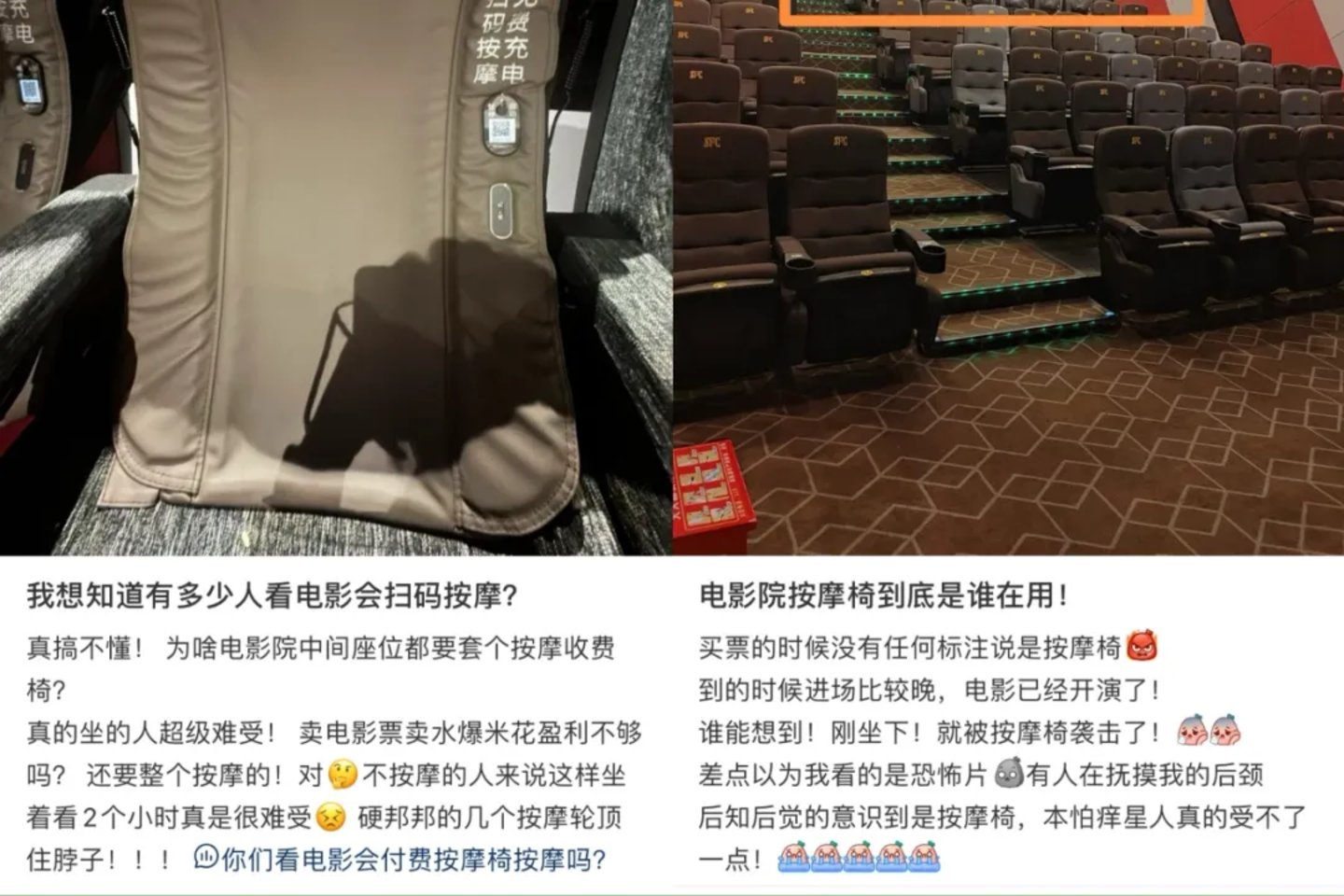
There are also many posts about the unavoidable massage chairs in cinemas. “There was no indication when buying tickets. I arrived late and the movie had already started — who knew I would be attacked by the massage chair as soon as I sat down? I almost thought I was watching a horror movie, someone caressing my neck…” This is not an isolated case. During the peak Chinese New Year box office season, many complained, “Watching Nezha 2 in 4D was an ultimate experience — fighting on the screen while the chair beat me below” and “Spent 98 yuan to watch a movie and got beaten by the chair for 20 minutes.”
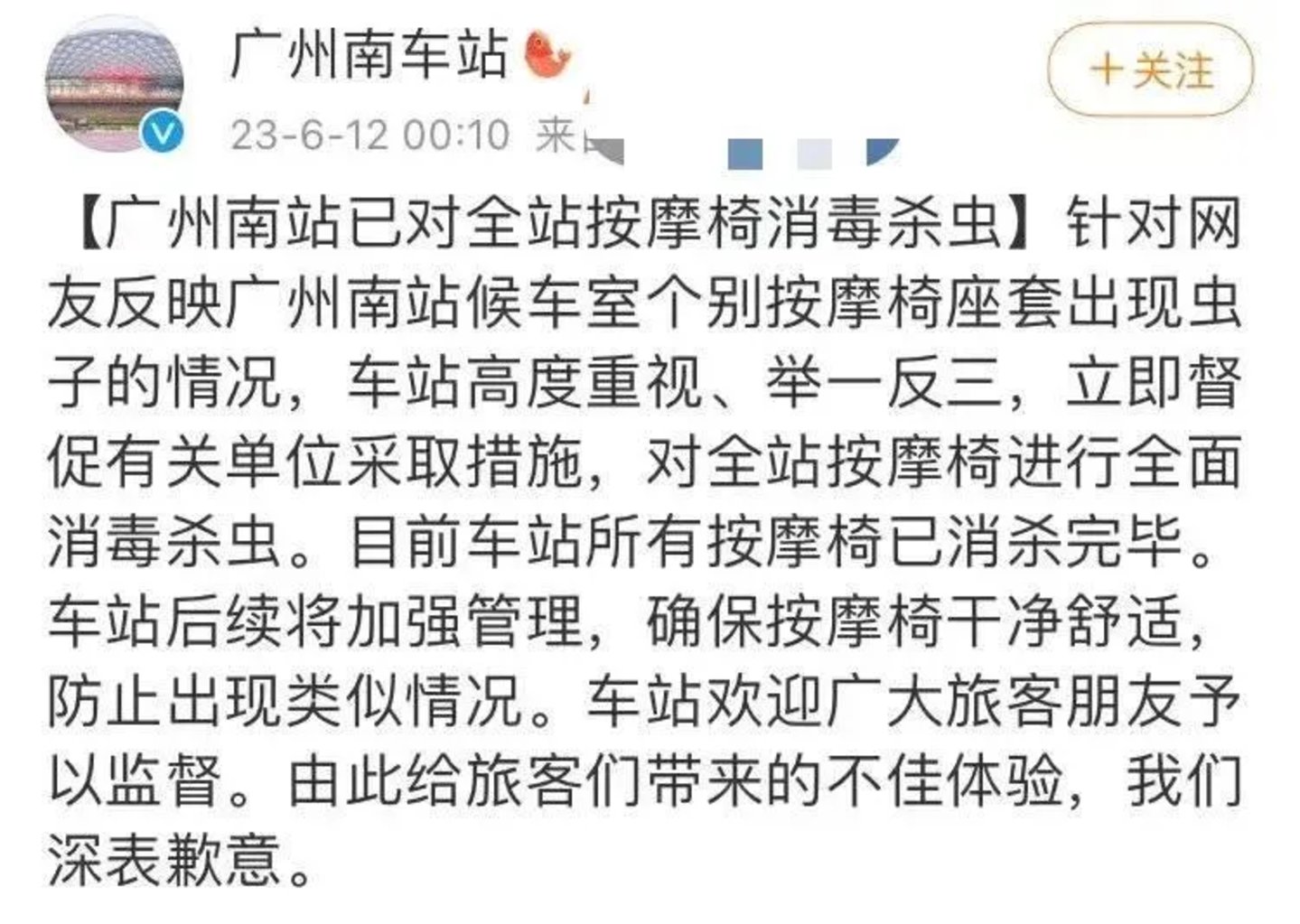
News reports about related incidents are common. In 2023, a consumer at Guangzhou South Station felt itchy all over after using a shared massage chair and saw several live bugs on the chair. The hashtag #Woman’s hair caught in massage chair, crying for help# also trended that same year.
Moreover, searching "Lemo Bar" on Black Cat Complaint platform yields over 900 complaints, many of which point to “massage chair malfunctions and difficulty getting refunds”.
Given so many problems, who is still paying for it?
Public data shows that the standard pricing for Lemo Bar’s massage chairs is 6 yuan/6 minutes, 10 yuan/12 minutes, and 15 yuan/20 minutes. Prices are higher in first-tier cities. For example, at a cinema in Huangpu District, Shanghai, Lemo Bar’s rates are 13.8 yuan/15 minutes, 17.8 yuan/20 minutes, and 23.8 yuan/30 minutes. Another consumer mentioned paying 30 yuan for 20 minutes.
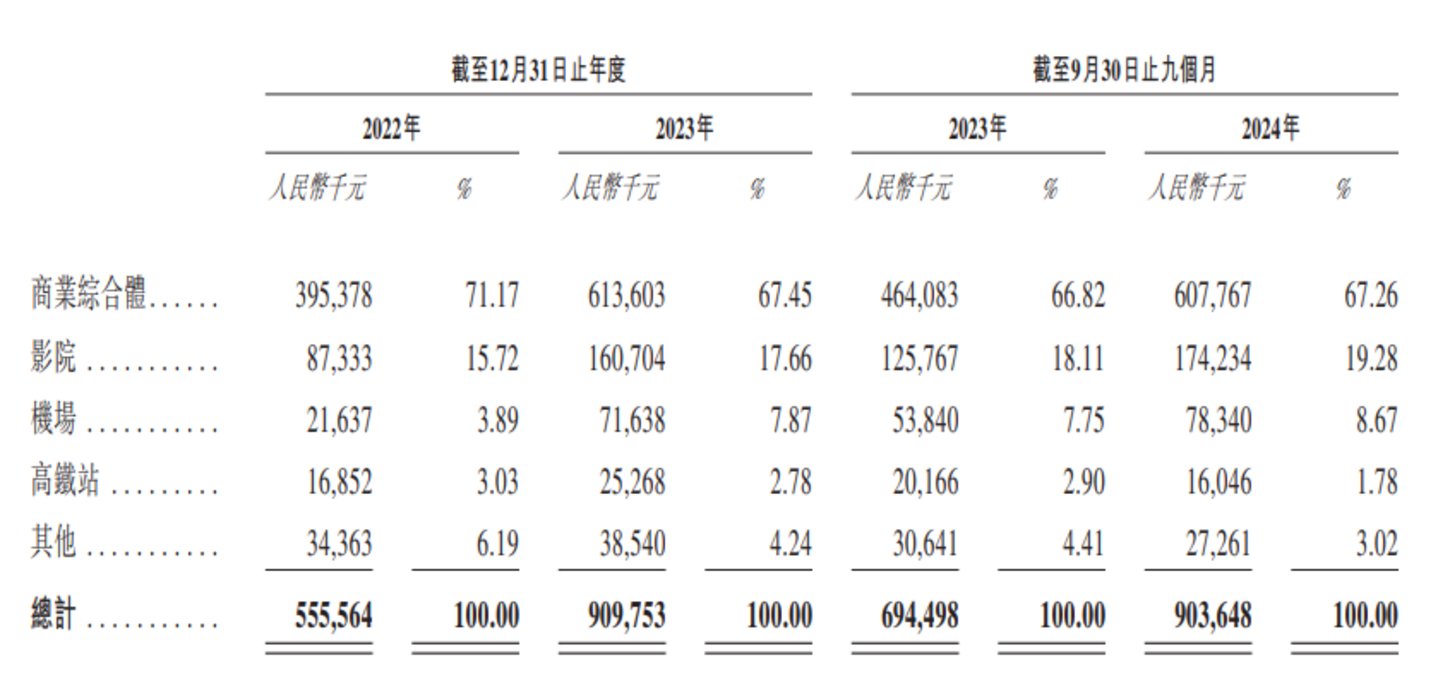
Relevant data indicates that as of the end of September 2024, Lemoa IoT had deployed about 402,100 massage devices, with cinemas accounting for nearly 80% of the units but only about 20% of revenue. According to the prospectus, revenue from smart massage services in cinemas during the reporting period was 87.33 million yuan, 161 million yuan and 174 million yuan respectively, accounting for 15.72%, 17.66% and 19.28% of total revenue.
This means most of the revenue likely comes from commercial complexes, airports and high-speed railway stations. In these places, many consumers succumb to fatigue and turn to shared massage chairs.
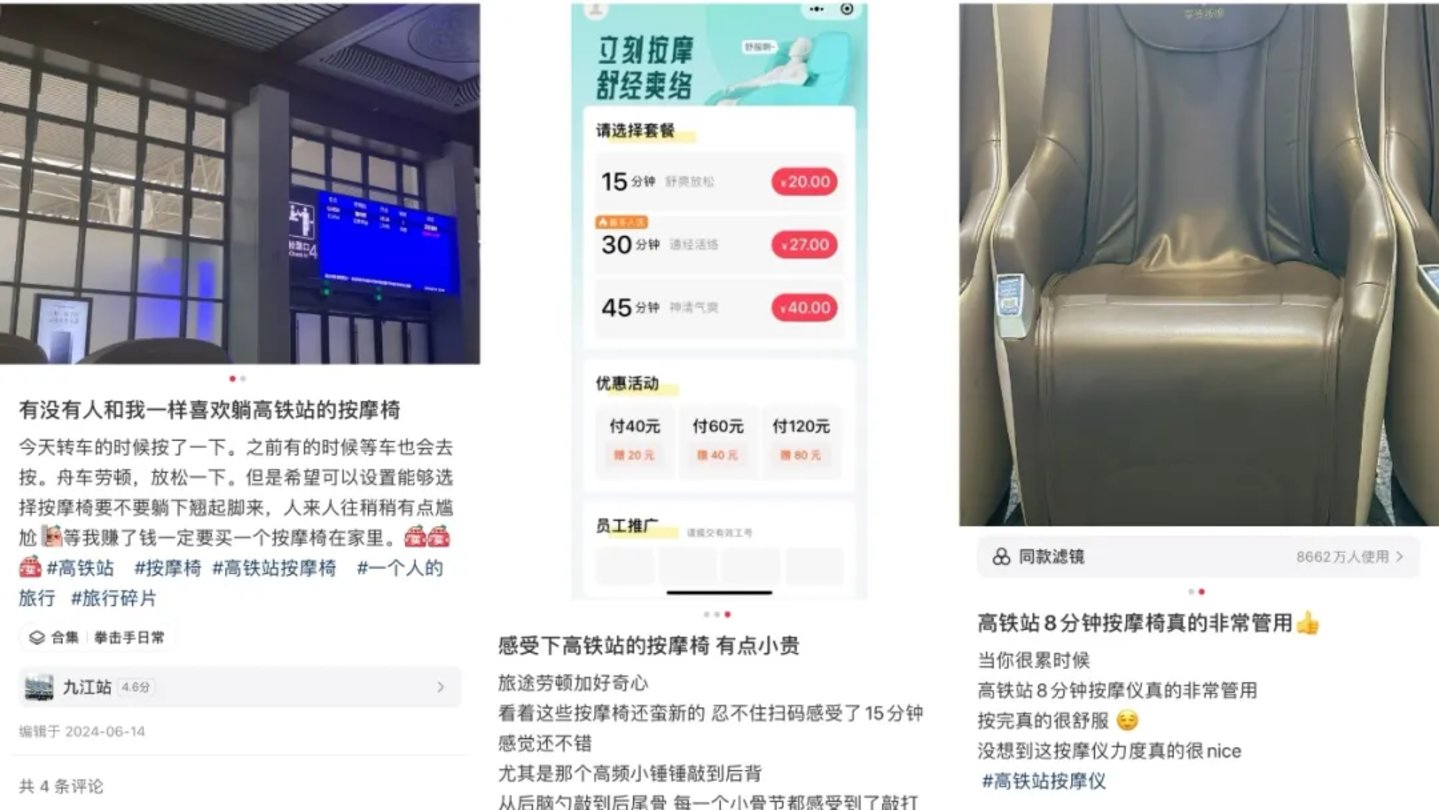
“Sometimes when I’m too exhausted, I really need to lie down and rest. The massage chair is a lifesaver.” Ken often travels for work by plane and high-speed rail. For him, waiting time at airports and stations may be the only chance to rest. “Travel fatigue often leaves me with back pain. Putting on headphones and lying on a massage chair for 40 minutes is essential. Most shared chairs also allow free phone charging.”
Zinc Scale noticed that on social media, high-speed rail stations and airports are indeed high-frequency consumption scenarios for shared massage chairs. Many netizens said, “I use them while waiting for the train — traveling is tiring, so it’s a good way to relax.” “When you’re really exhausted, an eight-minute massage at the high-speed rail station is very effective.”
However, this varies by brand. Some shared massage chairs provide such poor massage experiences that they only add to the exhaustion of weary travelers. “It’s pure torture, paying for suffering.”
“Outlasting” rivals to become the leader?
Although well-known shared massage chair operators today include Lemo Bar, Momoda, Shuangk, and Make Street, Lemo Bar indeed dominates the market.
According to Frost & Sullivan data, in terms of transaction value from 2021 to 2023, Lemo Bar ranked first among all smart massage service providers in mainland China, with market shares of 29.4%, 33.9% and 37.3% respectively. In 2023, its market share was twice that of the second-place brand.
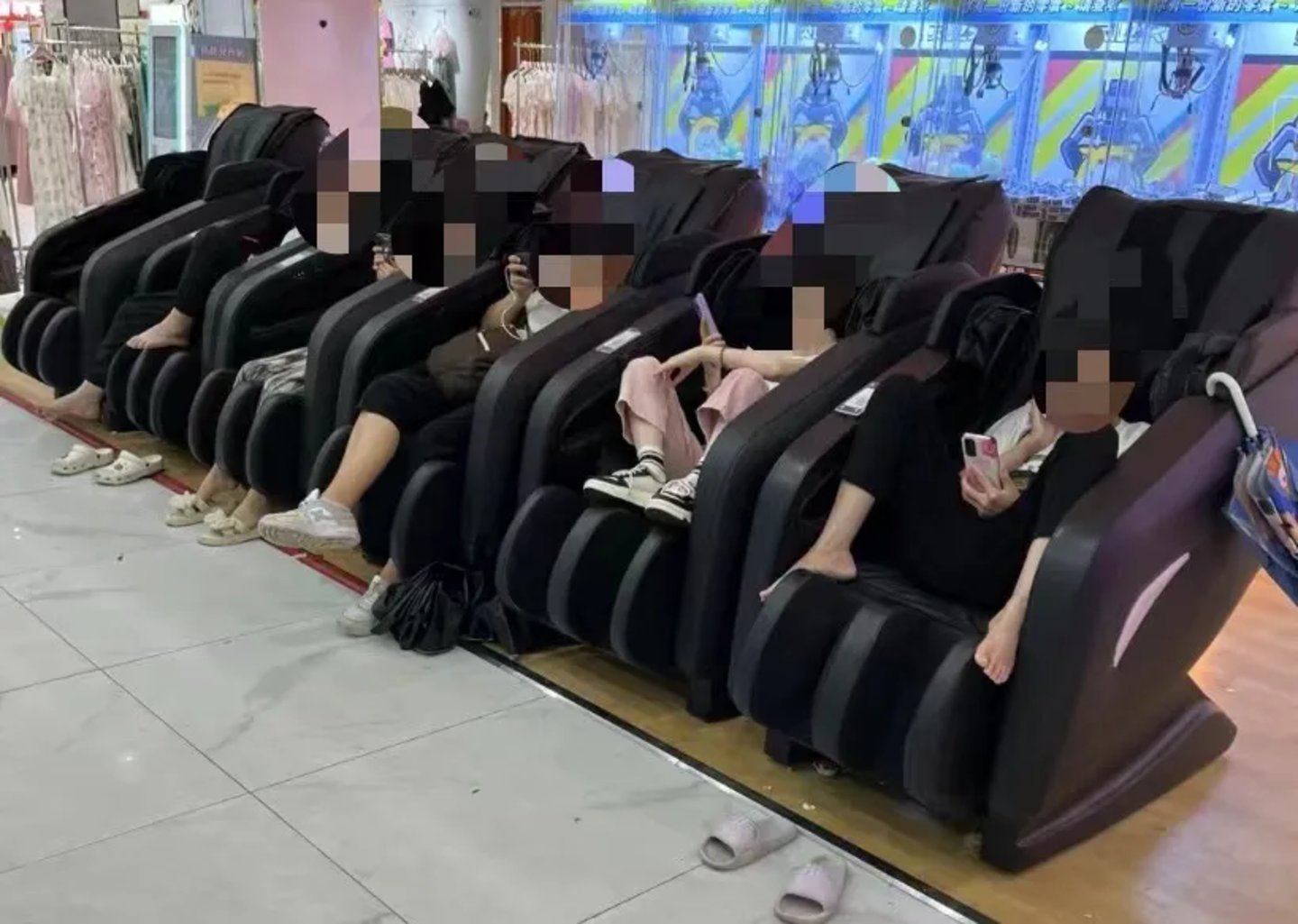
Shared massage chairs were once capital’s darling. In 2017, financing in the shared massage chair sector reached 240 million yuan; in 2018, it reached 260 million yuan.
According to Tianyancha data, the number of newly registered companies in the shared massage chair industry in 2017 was five times that of 2016, and by 2018 the total number of installed chairs exceeded 1 million. Between 2017 and 2018, hot capital poured in quickly — multiple shared massage chair brands including Aojiahua, Lemo Bar, Yunxiangyun, and Qila received funding, further advancing the industry.
However, the boom didn’t last.
According to Great Wall Securities data, Rongkang Group, the parent company of top massage chair brand Momoda, divides its massage business into three segments: massage chairs, small massage appliances, and shared massage chairs. Among them, shared massage chair revenue declined significantly, falling from 16.02% of total revenue in 2018 to 2.32% in 2021, with revenue of 60 million yuan in 2021, a year-on-year decrease of 18.61%. In terms of gross margin, it dropped to -14% in 2021. Rongtai’s revenue showed no improvement through 2023.
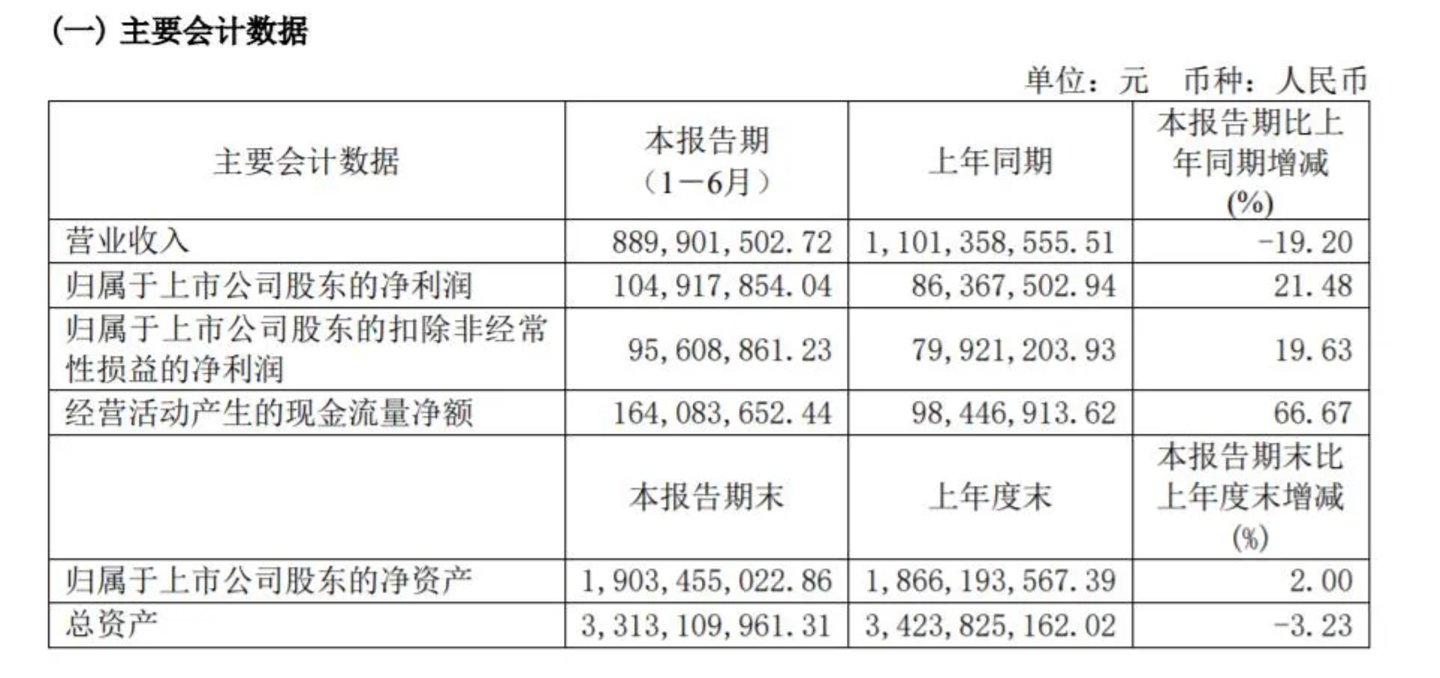
Realizing the problems with the sharing model, Rongkang Group gradually reduced its investment in the shared massage chair business.
Furthermore, Wu Xiaogang, general manager of shared massage chair brand Momoda, has publicly stated that the industry experienced massive expansion and encountered many operational difficulties. Other peers like KUKA Home and Aojiahua have long stopped disclosing data on their massage chair businesses.
Thus, Lemoa’s current IPO push stems from both surviving rivals to become the undisputed leader and facing more specific development challenges. After all, according to Huajing Industry Research Institute, the compound annual growth rate of China’s smart massage chair market from 2018 to 2022 was only 9%.
This means that if Lemo Bar wants to continue “lying its way to victory,” it may need to tell a new story for investors.