How Did Shared Massage Chairs Turn a Profit of 100 Million in 9 Months?
How Did Shared Massage Chairs Turn a Profit of 100 Million in 9 Months?
By Jiedian Finance, Author: Si Hai
The sharing economy, a concept seemingly left behind in the last decade, has finally produced another IPO.
Recently, the parent company of shared massage chair brand "LeMo Bar" — Fujian LeMo IoT Technology Co., Ltd. (hereinafter referred to as LeMo IoT) — filed a listing application with the Hong Kong Stock Exchange, potentially becoming the first stock in the shared massage chair sector. Two years ago, LeMo IoT failed to meet performance targets agreed with institutional investors. Yet just two years later, in the first nine months of 2024 alone, the company raked in a net profit of nearly 100 million yuan and distributed over 40 million yuan in dividends to shareholders.
No one expected that shared massage chairs, which almost everyone loves to criticize, would quietly occupy more and more prime locations and eventually secure a place in the capital market.
However, whether it's exhausted travelers at airports and train stations giving it a try or regular users who genuinely enjoy the service, the growing popularity doesn’t guarantee a smooth ride to an IPO. On the contrary, even at this stage of listing preparation, this relatively niche business with limited growth potential remains fraught with anxiety.
01 Who Is Supporting the Shared Massage Chair Business?
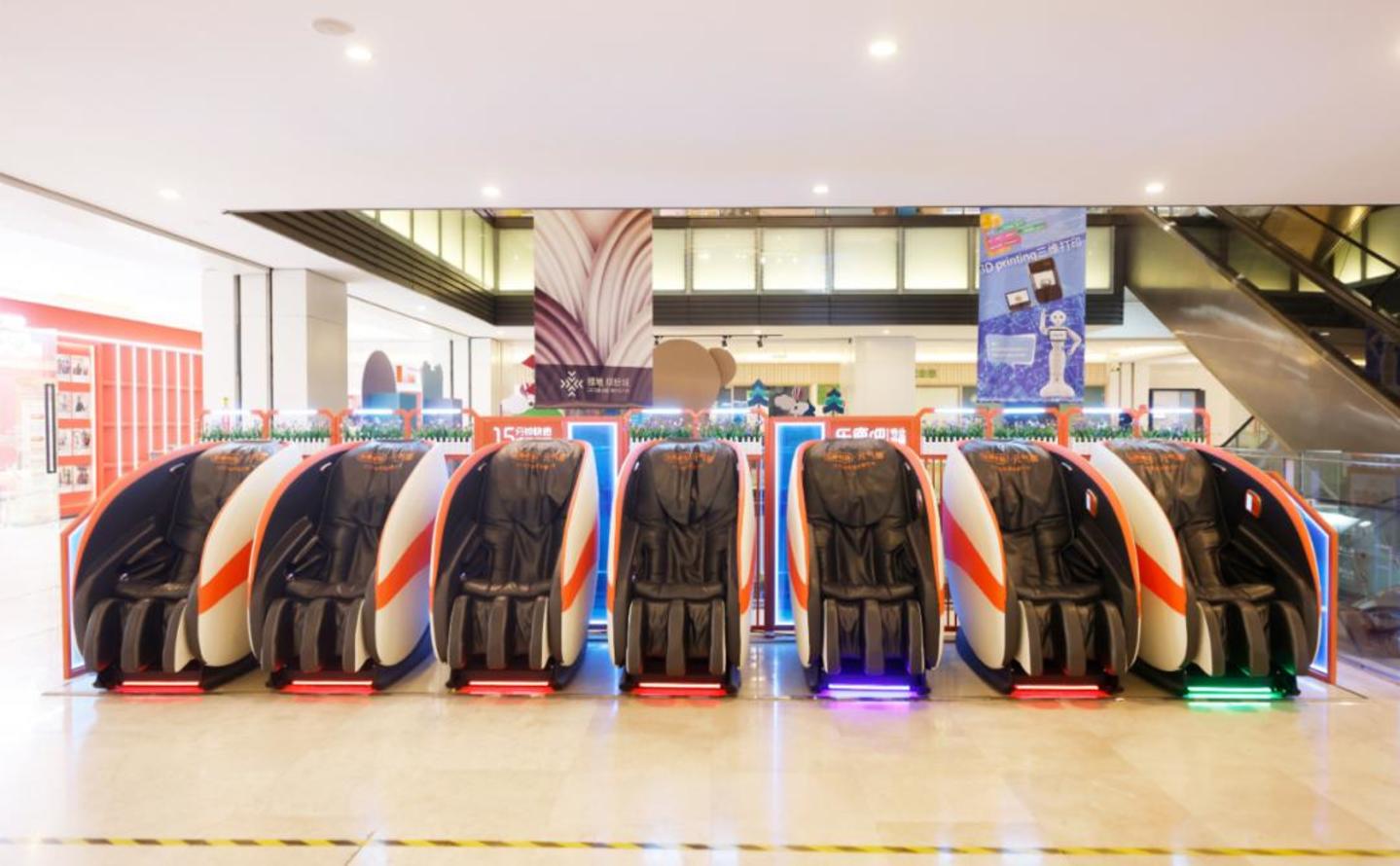
Shared massage chairs can be found everywhere — in cinemas, high-speed rail stations, airports, and shopping malls. Some see them as a "relaxation tool," while others call them a "consumer torture device." This polarized reputation suggests the industry still attracts attention; after all, negative feedback is better than complete silence.
"I usually don't pay attention to the brand, but I probably use them at least a dozen times a year." Cheng Kai, who frequently travels around the country for work, is a loyal user. Spending a few dozen yuan for a massage while killing time before a flight feels like a great deal to him.
In his view, frequent travelers understand the desire to unwind after a long journey. "Sometimes the waiting time at the airport or train station is the perfect moment to relax. Put on your earphones, enjoy a 30-minute massage, and you'll feel it's money well spent," Cheng Kai says.
Once, in order to catch an early morning flight, Cheng Kai spent the night at Daxing Airport and passed more than four hours on a shared massage chair. For 30 yuan, he selected sleep mode, the chair reclined flat, and he managed a short nap without any problem.
On various social platforms, many consumers express pleasant surprises after trying shared massage chairs. Comments like "I get so tired shopping at the mall, why didn’t I discover this earlier?" and "The massage feels pretty good — spending a little money for a nice experience is fine" are common.
However, others argue that shared massage chairs are unhygienic and provide poor massage quality — a classic case of paying for discomfort, sometimes even feeling "tortured."
During the Spring Festival, Shen Sisi watched the movie "Nezha: The Demon Child Reborn" in a cinema and discovered that the expensive "golden viewing area" seats were all shared massage chairs. Although they didn't repeat the annoying consumption prompts like those in shopping malls, as soon as she sat down, the chair automatically started a few minutes of trial massage mode. After the trial ended, the massage balls stopped wherever they were — leaving an uncomfortable bulge in her back.
"For the entire two-hour movie, three balls were poking my back. I tried several postures but couldn't sit comfortably. Cinemas, please mark on seating charts which seats are massage chairs — I'll definitely avoid them!" In Shen Sisi's opinion, the partnership between cinemas and shared massage chairs essentially stabs consumers in the back.
Apart from complaints about the massage effect, hygiene remains a frequent issue. Reports indicate that a Ms. Luo in Zunyi, Guizhou, developed hives on the back of her thighs the day after sitting on a shared massage chair for an hour. In malls and stations, shared massage chairs often have visible stains, occasional food residue, and unpleasant smells — hygiene conditions are concerning.
Clearly, shared massage chairs are ubiquitous in daily life. For some, they are a convenience; for others, a nuisance.
02 How Was This "Easy Money" Business Forged Through Rapid Expansion?
While people debate whether shared massage chairs are hygienic and comfortable, the company behind them is steadily profiting and preparing to go public. A puzzling question remains: What business model allowed this relic of the old sharing economy to transcend cycles and "lie down" to earn money?
LeMo IoT's prospectus shows that in the first nine months of 2024, the company achieved an adjusted net profit of nearly 100 million yuan, surpassing the 94.58 million yuan for the full year of 2023 and far exceeding the 8.53 million yuan in adjusted net profit in 2022. Before the listing, LeMo Bar distributed over 40 million yuan in dividends to shareholders — sharing the feast.
How did LeMo Bar do it? Jiedian Finance believes the secret is simple: quantitative change drives qualitative change.
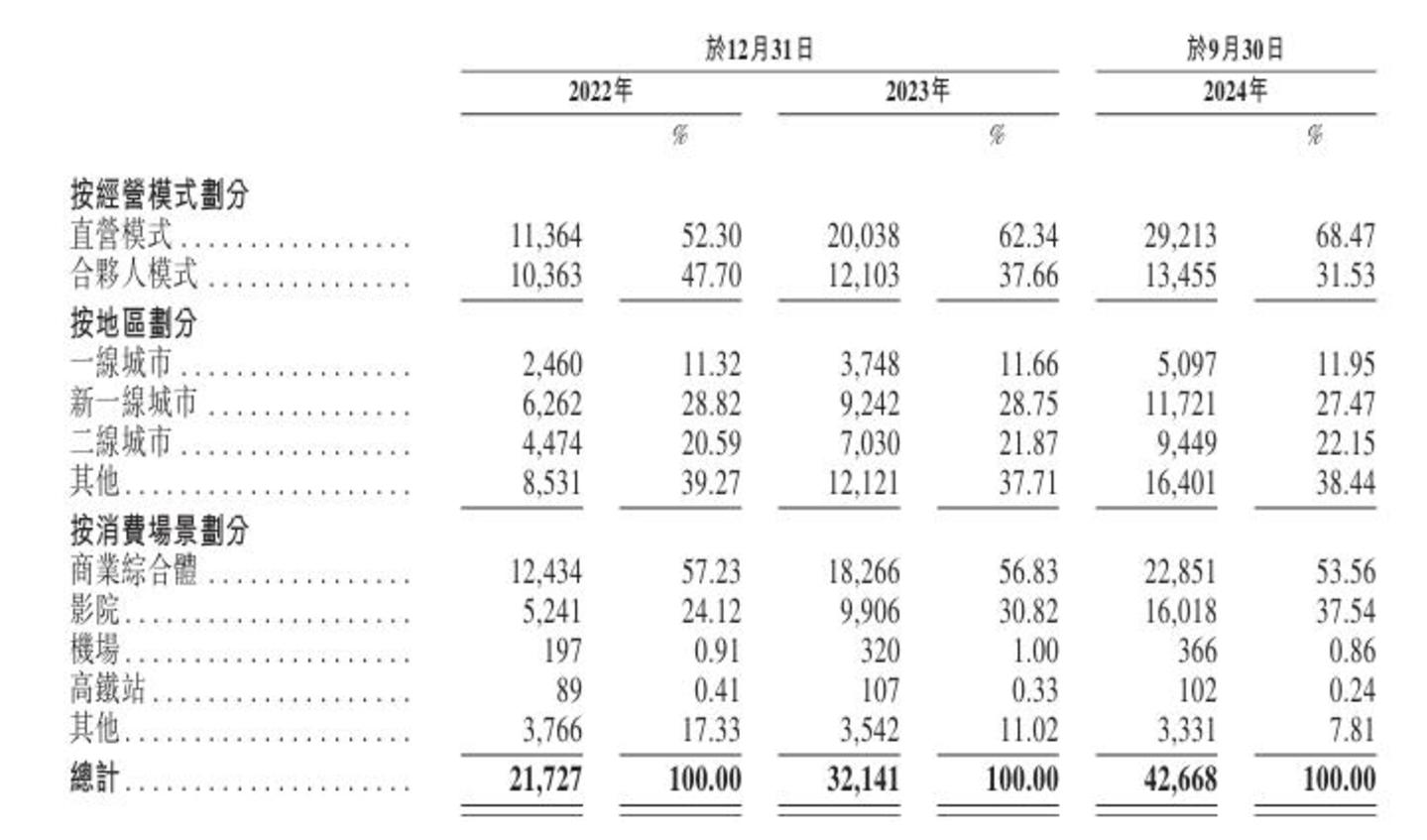
The prospectus reveals that LeMo IoT's massage equipment deployed in cinemas grew dramatically, reaching 320,500 units by the third quarter of 2024 — a year-on-year increase of over 70%. Meanwhile, LeMo Bar also increased its coverage of high-end venues such as airports. At airports, the average annual revenue per device reached 31,500 yuan, far higher than 8,808 yuan in shopping malls.
According to Frost & Sullivan, by transaction value, LeMo Bar ranked first among intelligent massage service providers in mainland China for three consecutive years (2021–2023), growing its market share from 29.4% to 37.3% — double that of the second-ranked player (2023 data).
This dual boost from market share and per-device revenue has brought direct benefits to LeMo Bar. In 2022 and 2023, the parent company's revenue was 330 million yuan and 586 million yuan, respectively. In the first nine months of 2024, revenue reached 614 million yuan, already exceeding the full-year revenue of 2023. Net profit for the same periods was 8.53 million yuan, 94.58 million yuan, and 100 million yuan, respectively.
Jiedian Finance notes that while aggressive expansion is a common strategy across industries, achieving it requires both manpower and capital.
LeMo Bar adopted a dual-drive model combining direct operation and partnerships: 70% of service points are directly managed by the company, while 30% are handled by partners. The company provides equipment and technical support, while partners handle site selection, decoration, and other operations, with transaction revenue shared proportionally.
This model has proven effective in helping LeMo Bar expand rapidly. According to its official website, LeMo Bar has accumulated 150 million users, with over 45,000 service points covering 31 provincial-level regions and 339 cities across China.
In addition, LeMo Bar's smooth expansion has also benefited from the struggles of its competitors.
The domestic massage chair leader, Momoda (parent company Rongkang Group), has three business segments: massage chairs, small massage appliances, and shared massage chairs. However, as early as 2018, its shared massage chair revenue began to decline significantly, dropping from 16.02% of total revenue in 2018 to just 2.32% in 2021, with gross margin falling to -14% in 2021.
Consequently, Rongkang Group decided to gradually abandon its shared massage chair business. Other brands such as Shuangk and Make Street have also faded under various pressures.
03 After the Boom, How Long Can This Business Sustain?
Although LeMo Bar has finally reached the threshold of an IPO, the market for shared massage chairs still has limited growth potential. Jiedian Finance believes that this sector, once favored by capital, experienced capital flight and the disappearance of many players before finally struggling to produce a leading brand. Facing persistent structural issues and increasingly difficult expansion challenges, LeMo Bar's IPO journey is just the beginning of a long battle — the real test lies in comprehensive breakthroughs.
Some analysts also argue that LeMo Bar's primary challenge is the scarcity of high-quality locations.
Although LeMo Bar currently holds a leading position, the prospectus shows that the combined market share of the next four competitors still reaches 49.4%. Moreover, health technology companies or traditional massage equipment manufacturers may introduce more competitive products, further intensifying competition. According to data from Huajing Industry Research Institute, the compound annual growth rate of China's intelligent massage chair market from 2018 to 2022 was only 9%.
This means that LeMo Bar's competitors could still seize market share through price wars, technological innovation, or differentiated services — and the pressure will only intensify.
High-quality locations are gradually diminishing; shared massage chairs are already everywhere. Thus, cannibalization will inevitably occur. Jiedian Finance believes that to maintain its lead and profitability over the long term, LeMo Bar must continuously invest in R&D, improve product technology and user experience, and widen its moat through brand building and marketing.
Second, the single profit model is fragile.
Currently, LeMo Bar's main revenue source is user fees. This reliance on a single revenue stream makes it highly dependent on consumer behavior. In a challenging macroeconomic environment, reduced disposable income may lead consumers to become more cautious about non-essential massage spending, directly reducing user traffic and usage frequency, which could then lead to a decline in revenue.
To enhance resilience, LeMo Bar needs to explore diversified profit models. This is not only necessary to cope with a complex and changing market environment but also critical for long-term sustainable development. By expanding revenue channels, LeMo Bar can spread operational risks — even if one segment is impacted, other segments may still sustain the business.
For example, the company could partner with brands to display advertisements on massage chairs or offer value-added services such as health consultations and product recommendations. It could also launch a membership system that provides exclusive offers and personalized services to improve user retention. Through diversified profit models, LeMo Bar can reduce its dependence on a single revenue source and enhance its ability to sustain long‑term growth.
Third, user service, cleaning, and maintenance are difficult to manage.
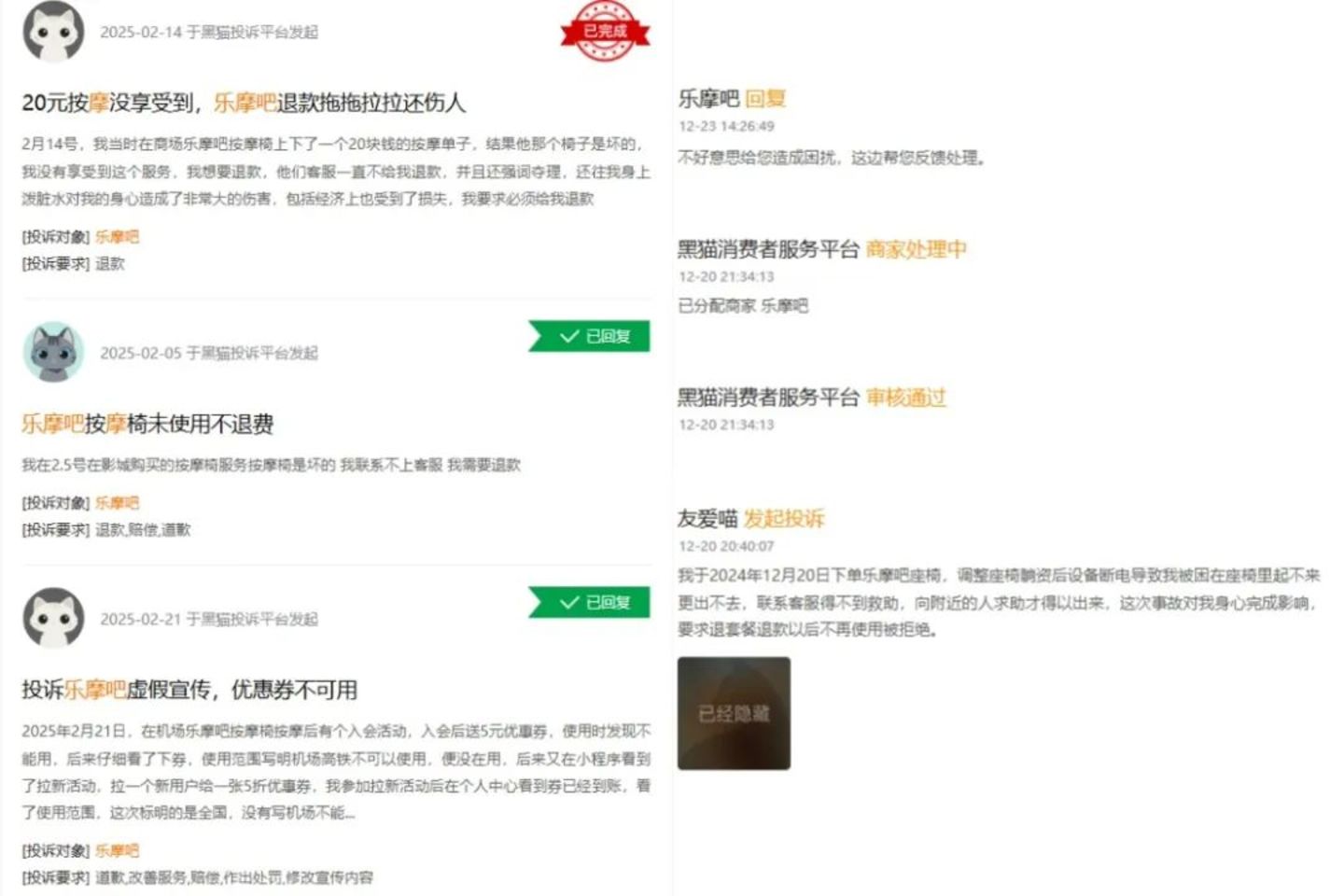
In today's sharing economy, user experience remains a core competitive factor that cannot be ignored. Black Cat投诉 shows 908 complaints related to LeMo Bar, covering issues ranging from fees to service quality. Clearly, LeMo Bar still has a long way to go in improving its user reputation.
LeMo Bar needs to optimize its massage programs from a technical perspective, offering more personalized and intelligent massage experiences — for example, using sensors and AI technology to adjust massage intensity and methods in real time. At the same time, it should establish stricter cleaning and maintenance mechanisms, such as introducing automated cleaning equipment or partnering with professional cleaning companies to ensure hygiene standards before and after each use. Only by continuously improving user experience can LeMo Bar strengthen user loyalty and brand trust.
However, given LeMo Bar's asset-heavy model, both cleaning and ongoing maintenance incur significant costs. Balancing these expenses will require careful consideration.
"First stock" is both an honor and a shackle.
(Per the interviewees' requests, Cheng Kai and Shen Sisi are pseudonyms.)

The content is sourced from Titanium Media's TIDU account. It is for reference, communication, and learning purposes only and does not constitute investment advice.
Want to share your novel insights and discoveries with millions of Titanium Media users? Click here to contribute. For entrepreneurship or fundraising news coverage, click here.


